
ANP Commercial Property
The value of warehouse properties is not just about rental returns. What really matters is the location, transportation, loading and unloading conditions, building height, land use, tenant demand, and ease of resale in the future.
ANP assists investors in assessing whether an Australian warehouse property is suitable for long-term investment, considering factors such as logistics flow, lease terms, property specifications, cash flow, and exit strategies.
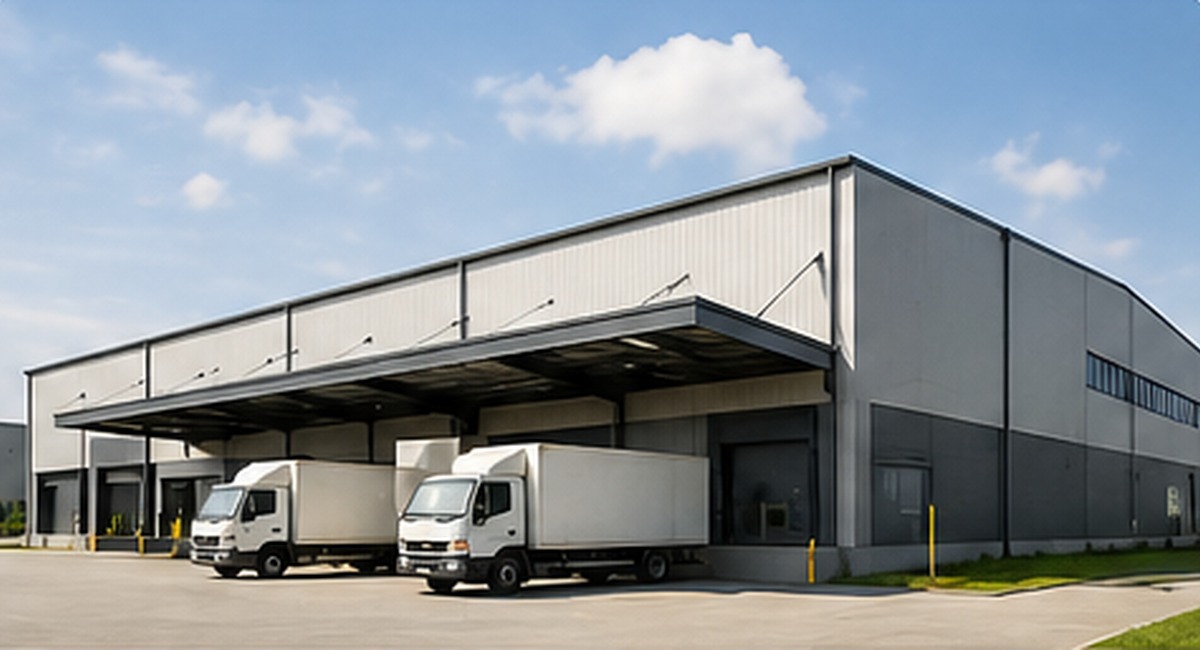
Warehouse Property
Warehouses are not ordinary spaces. Tenants consider factors such as traffic flow, truck access, loading and unloading efficiency, ceiling height, electricity, fire safety, parking, zoning, and operating costs. These factors directly determine whether a property is easy to rent out.
Good warehouses can meet the needs of logistics, storage, distribution, e-commerce, SMEs and light industry; however, if they are located in remote areas, have limited access, low ceilings or restricted uses, even if they are cheap, they may become assets that are difficult to rent, difficult to finance and difficult to exit.
Key Assessment
Is it close to highways, ports, airports, industrial zones, logistics hubs, or major customer groups? The value of a warehouse's location comes from efficiency.
The height of the building, loading and unloading doors, truck turning space, ground load-bearing capacity, parking spaces, power supply and fire protection facilities will all affect whether tenants are willing to rent.
Rent, expenses, maintenance, insurance, usage restrictions, return-to-ownership and renewal arrangements must be clearly defined. An unclear lease can easily erode returns due to costs.
A good warehouse needs to be not only available for rent, but also for sale. Buyers could be owner-occupiers, investors, logistics operators, or developers.
ANP Analysis
ANP doesn't just look at selling price and rent. We first determine if the warehouse truly meets market demand: Does the tenant need this location? Is it easy for trucks to enter and exit? Are the property specifications outdated? Are there any restrictions on its use?
The same rate of return can represent completely different risks. A warehouse with a mature location, practical specifications, and a clear lease cannot be compared with a warehouse with limited use, high maintenance costs, and difficulty in re-leasing.
Due Diligence Framework
Analyze the connectivity efficiency of the property with highways, industrial areas, ports, airports, city centers, and major consumer areas.
Examine the building height, column spacing, ground load-bearing capacity, loading and unloading doors, truck entrances and exits, parking and warehousing efficiency.
Confirm whether the current use is legal, whether it can be changed to other uses in the future, and whether there are any planning restrictions.
Review the lease term, renewal rights, rent adjustments, expense sharing, security deposit, maintenance responsibilities, and usage restrictions.
Assess expenses for roofing, drainage, fire protection, electricity, ground, pollution, insurance, and long-term maintenance.
Assess the future buyer demographics, existing transactions in the area, rental demand, and whether there is space for renovation, expansion, or repositioning.
Professional View
The core of warehouse properties lies in their actual operational value. Whether trucks can enter and exit, whether goods can be stored efficiently, and whether tenants can save time and costs will directly impact rent and vacancy risk.
ANP's analysis focuses on helping investors distinguish between "attractive prices" and "property's actual usability." Warehouses can be stable commercial assets, provided that their location, specifications, lease, and exit strategy are all reasonable.
ANP Process
Understand the budget, lending capacity, cash flow requirements, holding period, and risk tolerance.
Based on location, size, tenants, price, and purpose, select warehouse properties that meet the criteria.
Analyze rent, lease term, renewal rights, expense sharing, usage restrictions, and guarantee arrangements.
The key areas to inspect include the roof, drainage, fire protection, ground, electricity, loading and unloading areas, and truck movement.
Calculate net income, holding costs, vacancy period, maintenance expenses, and re-leasing costs.
Work with lawyers, accountants, loan advisors, and building inspection teams to complete pre-transaction inspections.
FAQ
Not necessarily. Warehouses may have clearer operational needs, but it still depends on location, size, tenant quality, lease term, and re-leasing capacity.
Location, transportation, building height, loading and unloading conditions, land use, lease terms, and exit liquidity. Simply looking at rental returns is not enough.
Having tenants is just the beginning. It's still necessary to consider the tenant's industry, the remaining years of the lease, whether the rent is reasonable, their liability for expenses, and whether the tenant needs to continue using the location.
Common risks include roof maintenance, drainage issues, fire protection upgrades, ground wear and tear, pollution, usage restrictions, insufficient truck access, and re-rental costs.
Speak to ANP
ANP can help you determine whether a warehouse property is suitable for your investment portfolio by considering factors such as location, specifications, lease, cash flow, and exit strategy.
 Chinese