
ANP Commercial Property
The value of industrial properties lies not only in rent, but also in land use, industry demand, building specifications, tenant industries, planning restrictions, and future repositioning potential.
ANP assists investors in assessing whether an Australian industrial property has long-term investment value by considering the property itself, lease terms, land zoning, urban development, and exit strategies.
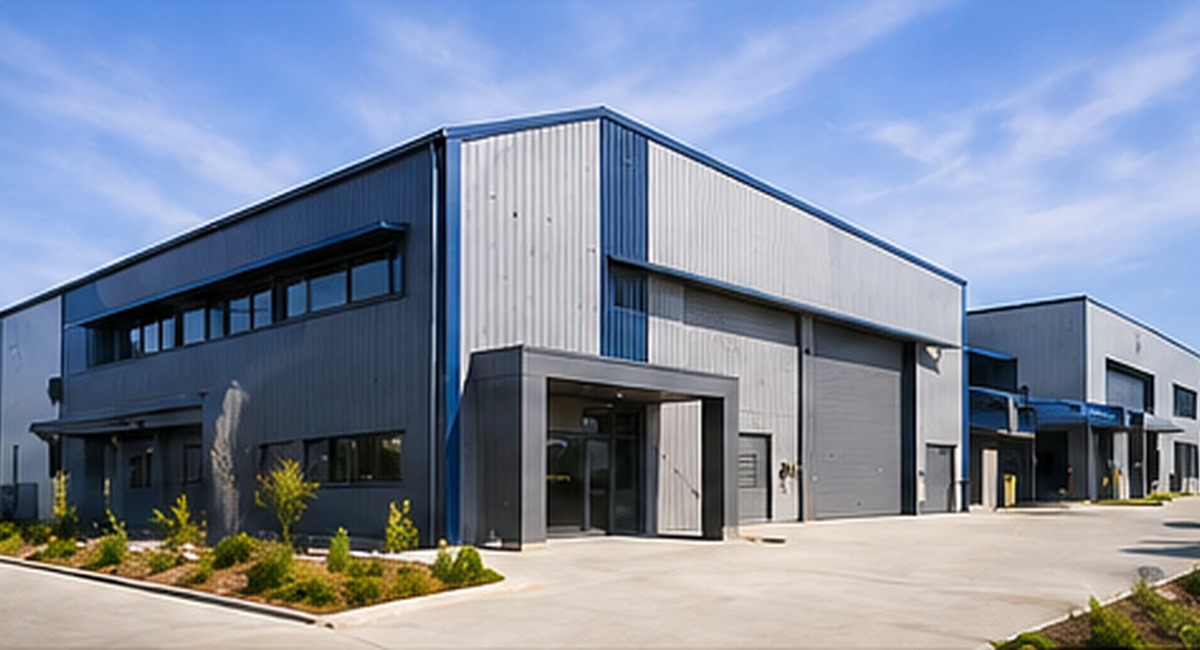
Industrial Property
Industrial properties can include factory buildings, industrial units, light industrial spaces, maintenance sites, mixed-use properties such as warehousing, and land assets with operational functions. Different uses have different impacts on tenants, regulations, financing, and market exit.
Whether an industrial property is worth investing in cannot be judged solely by its current rental income. More importantly, it depends on whether the land zoning supports the current use, whether the property meets future industrial needs, whether the surrounding area is undergoing transformation, and whether the area still has industrial functions or redevelopment potential in the city planning.
Key Assessment
For industrial properties, the first thing to consider is land zoning, planning restrictions, and the intended use by the tenants. Unclear intended use may affect future financing, insurance, leasing, renovation, and resale.
The building's height, power supply, entrances and exits, ground load-bearing capacity, parking, drainage, fire protection, and truck traffic flow directly determine whether a property can support actual operational needs.
Some industrial zones may be repositioned as transportation, population, infrastructure, and industry change. Before investing, it is important to determine whether the area is a mature industrial zone, a transitional zone, or a future redevelopment zone.
The value of industrial properties may come from additions, subletting, renovation, repurposing, land consolidation, or long-term redevelopment potential, provided that planning and the market support it.
ANP Analysis
ANP doesn't just look at the surface-level rate of return. We first break down the property use, building condition, tenant business, land zoning, maintenance responsibilities, regional changes, and future market exits.
The key to industrial properties lies in "whether they can be used stably now" and "whether they will still have value in the future." If the property has limited use, outdated building specifications, the surrounding area has been gradually deindustrialized, or the tenants are difficult to replace once they leave, even if the price is cheap, it may not be a good asset.
Due Diligence Framework
Confirm the zoning of the property, its permitted uses, restrictions, future planning directions, and whether there is any possibility of changing the use or increasing the land value.
Observe whether there are new infrastructure projects, road upgrades, population growth, industrial relocation, urban renewal, or changes in land use in the surrounding area.
Inspect the structure, roof, drainage, fire protection, electrical system, ground, ventilation, lighting, and long-term maintenance needs.
Assess the smoothness of truck access, parking, loading and unloading, noise, emissions, machinery and equipment, and tenant daily operations.
Review the lease term, renewal rights, rent adjustments, security deposit, expense sharing, maintenance responsibilities, and return-to-work arrangements.
Determine whether the future buyer will be a business owner, investor, developer, or a tenant from a specific industry.
Planning Perspective
The advantages of industrial properties are their clearly defined purpose, higher tenant relocation costs, and the potential for land appreciation, renovation, subletting, or repositioning in some cases. However, these properties also require more rigorous due diligence in planning, construction, environmental aspects, and compliance.
From an urban renewal perspective, industrial properties should not be viewed merely as buildings, but rather as the location of a piece of land within the urban fabric. Is it still situated in an industrial zone with demand? Is the surrounding area undergoing transformation? Will its future use be strengthened, restricted, or gradually replaced? These questions directly impact its long-term value.
ANP Process
Understand the budget, lending capacity, cash flow requirements, holding period, and risk tolerance.
Select suitable properties based on location, land zoning, property specifications, tenant usage, regional development, and price.
Analyze land use, planning restrictions, surrounding changes, potential for redevelopment, and future relocation potential.
Analyze rent, lease term, renewal rights, expense sharing, maintenance responsibilities, and usage restrictions.
The key areas of inspection include the structure, roof, fire protection, drainage, electrical system, ground level, and truck traffic flow.
Work with lawyers, accountants, loan advisors, building inspectors, and property management teams to complete pre-transaction inspections.
FAQ
Warehouses are typically geared towards storage, logistics, and distribution; industrial properties have a broader scope and can include factories, processing facilities, repair shops, light industrial properties, mixed-use spaces, and assets with land relocation potential.
Land zoning, land use compliance, building specifications, tenant quality, lease terms, regional development, hidden maintenance costs, and future market exit.
Not necessarily. Redevelopment or rezoning depends on land zoning, planning restrictions, location, area, surrounding uses, market demand, and government planning direction.
Common risks include usage restrictions, pollution, asbestos, fire protection upgrades, roof repairs, drainage problems, insurance restrictions, difficulties in re-renting, and changes in area use.
Speak to ANP
ANP can help you determine whether industrial properties are suitable for your investment portfolio by considering factors such as land use, regional development, building condition, leases, cash flow, and exit strategies.
 Chinese