
ANP Australian Commercial Real Estate

Australian commercial real estate
Stable asset allocation options for Taiwanese investors

If you're looking to invest in Australian commercial property, the first step isn't to rush into buying, but rather to carefully consider: the stability of the lease, whether the rental income can support the loan, the holding costs, and whether it will be easy to resell in the future.

ANP assists Taiwanese investors in understanding the risks and opportunities step by step, from market assessment and asset selection to price negotiation and settlement arrangements, so as to avoid making wrong decisions based solely on apparent returns or low entry prices.

Commercial property configuration Lease and Cash Flow Analysis Feasibility assessment for overseas buyers Australian local team assistance
No FIRBUnless the investment amount exceeds the threshold of AUD 347 million for already developed commercial land*
5 years + 5 yearsAustralian commercial leases typically have longer terms and more stable returns.
High returnsReferencing recent yields of 4.3–6.01 TP3T for major Australian commercial property categories.
* FIRB, loan terms, yield, taxation, and purchase restrictions will vary depending on the buyer's identity, property type, location, and transaction structure. Consult with an Australian lawyer, mortgage advisor, accountant, and Taiwanese tax advisor before signing any agreement. All amounts below are in Australian dollars.
Read carefully before buying

Commercial properties are not just about price; the key is whether they can be held long-term.

For Taiwanese investors, the key to Australian commercial real estate is not "how high the rent seems," but rather whether the lease is reliable, whether the tenants are stable, whether the loan is feasible, whether the holding costs are clear, and whether it is easy to exit in the future.

No FIRBGeneral FIRB thresholdFor overseas buyers purchasing developed commercial land, the typical minimum investment is AUD 347 million.
75 millionSensitive Commercial Land ThresholdIf sensitive purposes or locations are involved, the threshold can be significantly lowered, but each case must be confirmed.
$0Commercial vacant land requires special careCommercial vacant land should not be simply understood as "not using FIRB".
4.3–6.0%Yield ReferenceReference range for yields of major commercial property categories in Australia in recent years.
5 years + 5 yearsCommon lease structuresMany commercial leases offer longer lease terms and renewal rights, which facilitates cash flow planning.
80%Loans require case-by-case approval.Some commercial loans can achieve a higher loan-to-value ratio (LVR), but this still depends on the lease, tenant, and buyer situation.

The core of commercial property is the cash flow generated by the lease.

Judging commercial assets involves more than just "location" and "price." It's also crucial to consider rent, lease term, tenant background, property outgoings, rent adjustments, and yield. The following are market yield references and do not guarantee returns.

Retail stores
6.0%
office
5.5%
Overall Market
5.2%
Industrial properties
4.3%

Whether an application to FIRB is required depends on the property and transaction structure.

Foreign buyers generally have more flexibility when purchasing commercial real estate than residential properties; however, this is not always the case. Whether foreign investment approval (FIRB) is required depends on the property type, intended use, location, transaction amount, and the buyer's identity.

Learn more about Australian FIRB foreign investment approval requirements
347 millionCommercial land already developedThe most common monetary thresholds in general.
75 millionSensitive commercial landThe threshold is lower for applications involving sensitive uses or locations.
$0Commercial vacant landLand transactions typically require more rigorous processing.
Ten practical considerations

Why are Taiwanese investors researching Australian commercial real estate?

Commercial property is not simply about "buying a house to rent out," but about acquiring a lease, a cash flow, and an overseas asset that can be managed long-term.

01

Most commercial properties do not require FIRB application.

As long as the property is on developed commercial land, is not sensitive land, and the transaction amount does not reach the threshold, it will not require overseas investment review. In other words, there are many potential investment opportunities in the market.

02

Fewer restrictions than residential investment

Commercial properties are not governed by the same rules governing new and resale residential buildings, offering overseas buyers a wider range of choices. Unlike residential properties, there are fewer restrictions on type or age.

03

The initial phase can be planned according to the loan scheme.

Some commercial loans on the market can be assessed based on the lease, tenant, and property conditions. The actual down payment percentage needs to be approved by a loan advisor and the bank.

04

Available leases support loan assessment

As long as the initial payment can be made, and the property has stable tenants, a clear lease agreement, and reasonable rent coverage, it is relatively easy for banks or lenders to provide financing support.

05

With some expenses borne by the tenant, the holding costs are clearer.

Many Australian commercial leases are close to "triple net leases," with tenants covering council rates, insurance, and some maintenance costs (depending on the lease). Compared to residential leases, landlords have fewer costs to manage and bear, resulting in a clearer cash flow structure.

06

Choosing the right property can balance rental income and long-term development potential.

Commercial properties are not just rental assets. If the location and zoning are right, some properties can simultaneously generate short-term rental income and have long-term potential for redevelopment, expansion, or repurposing, thereby increasing the overall asset value.

07

Taiwan's tax system needs to be planned together.

How to declare overseas interest, rent, or investment income in Taiwan should be confirmed by a Taiwanese tax advisor. High-net-worth clients especially need to design their holding structure in advance.

08

Tenants typically place more emphasis on stable business operations.

Commercial tenants involve renovations, equipment, licenses, and customer base, and relocation costs are high, so lease stability is usually more worthy of analysis than residential leases.

09

Professional property management and outsourcing make things easier for overseas owners.

In Australia, commercial properties can typically be managed by a property manager who handles leasing, rent collection, tenant communication, maintenance arrangements, and daily management. For overseas owners, owning commercial property doesn't necessarily require them to personally oversee every detail, making it more suitable for long-term holding.

10

ANP helps you avoid superficially appealing but misleading products.

What really matters is the lease, tenant type, location, valuation, terms, vacancy risk, resale potential, growth potential, and whether the bank is willing to support the asset.

Regarding ANP

ANP doesn't just introduce products; it helps you make informed purchasing decisions.

ANP specializes in selling properties in major Australian cities, including boutique developments and large-scale urban developments. We act as a professional bridge between buyers and developers, helping clients understand the market, screen properties, build portfolios, and make more informed decisions at every crucial stage.

Professional buying and selling broker

ANP has deep expertise in the real estate markets of major Australian cities, combining project understanding, buyer's perspective, and execution coordination to help investors enter the market more efficiently.

  • Premium development and large-scale urban development projects
  • Connecting buyers, developers and relevant professional teams
  • Assist in establishing a more logical asset allocation

Land Development

Queensland is developing rapidly, and development and subdivision of land present opportunities worth noting. ANP combines local experience with an urban redevelopment perspective to help clients assess feasibility.

  • Brisbane and Queensland Growth Corridor Experience
  • Urban renewal planner and development potential assessment by project manager Dawn
  • Helping clients understand what is permissible and what is not.

Shop sales

Whether businesses are looking for a business location or investors are expanding their commercial asset portfolio, ANP can assist with market assessments, negotiation, legal support, and holding strategies.

  • Office, retail, medical and industrial properties
  • Purchase and sale negotiation and document coordination
  • The overall approach from buying to holding
Service Process

ANP's 5-Step Service Process

First define the target, then screen assets; first analyze the leases and terms, then proceed with negotiations and closing. Cross-border investment requires a step-by-step approach.

1

Confirm direction

Organize budget, return targets, lending capacity, regional preferences, and risk tolerance.

2

Filtering objects

Compare regions, rents, yields, supply and demand, vacancy rates, and future infrastructure development.

3

Preliminary due diligence

Examine the lease, property expenses, tenant background, zoning use, tax and valuation risks.

4

Negotiation

Develop bidding strategies and coordinate with brokers, lawyers, accountants, and loan advisors.

5

Delivery holding

From transaction to holding, we help you understand subsequent management and the next allocation strategy.

The first step is not to rush into buying, but to clarify the direction.

Should I apply for FIRB? Should I look at office, retail, medical, or industrial properties? How should I determine the yield? Can the loan be matched with the lease? ANP can help you organize your needs and feasible directions before further screening suitable targets.

ANP Commercial Property Type

Australian Commercial Property Types: Different Asset Types, Different Investment Focuses

Commercial properties are not a single category. Office buildings, warehouses, industrial properties, retail shops, medical centers, and farmland all have different tenant structures, lease arrangements, holding costs, loan feasibility, and appreciation potential. ANP will first understand the client's budget, cash flow requirements, risk tolerance, and long-term investment goals before helping to determine which type of commercial property best suits their needs.
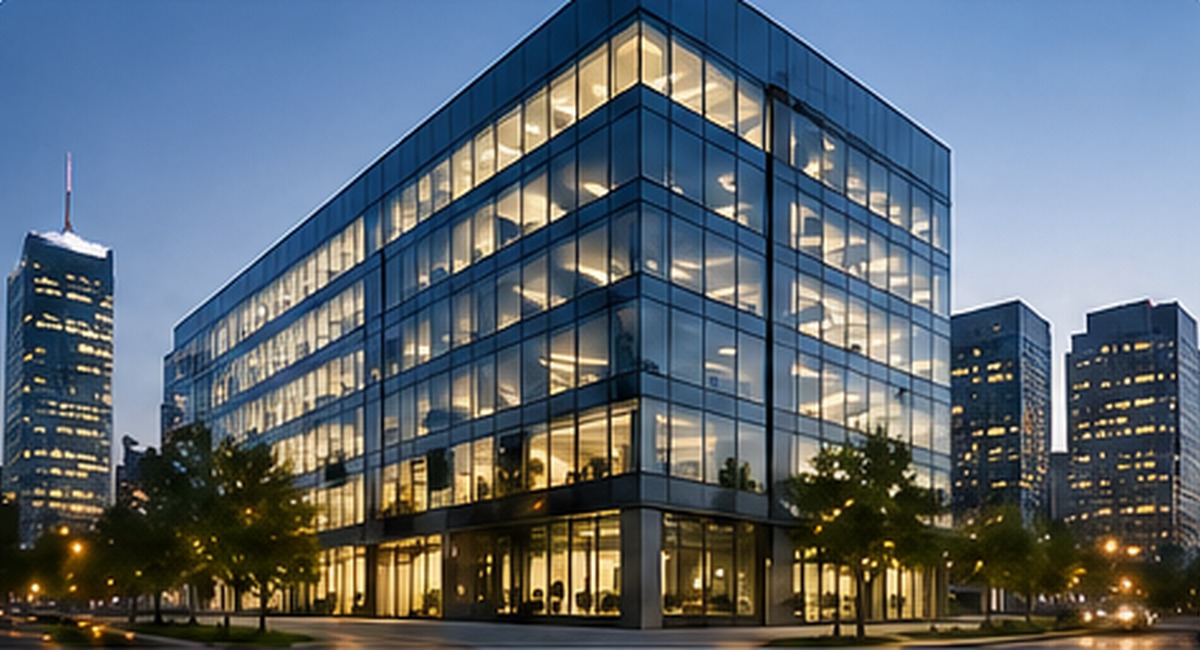
澳洲寫字樓商用物業
01

office

Suitable for investors who value location, tenant quality, lease stability, and long-term rental needs. Key analysis points include vacancy rate, rental level, management fees, and future resale liquidity.

Understanding Key Aspects of Office Building Configuration →
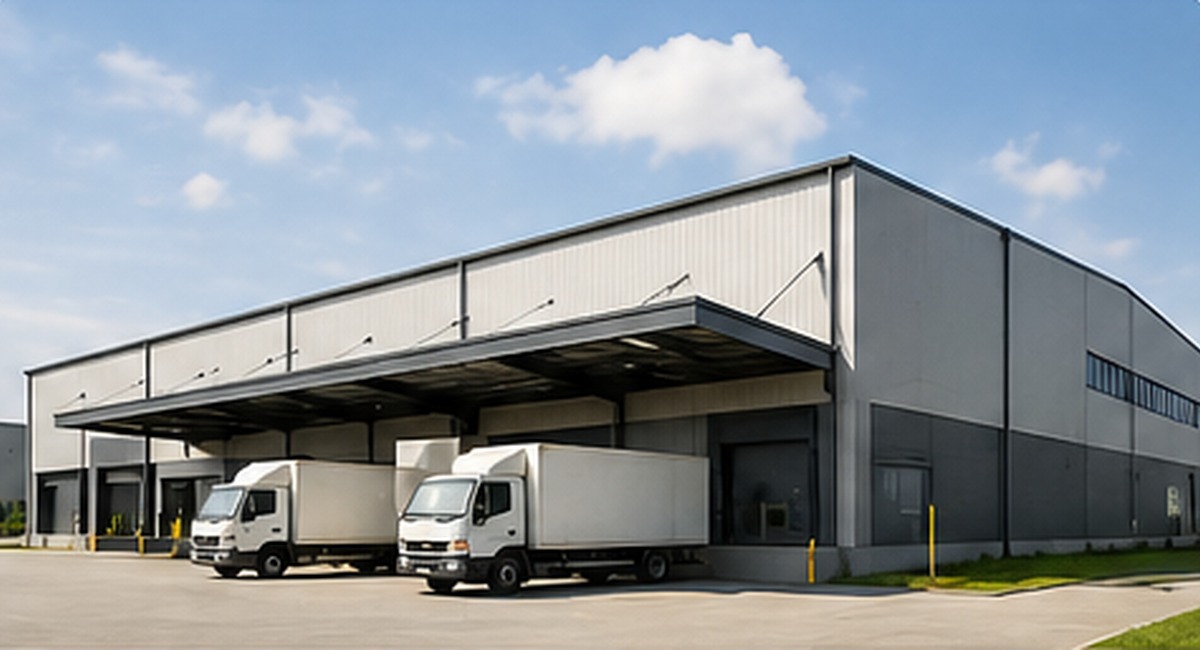
澳洲倉庫商用物業
02

storehouse

Warehouse properties are typically associated with the logistics, storage, distribution, and operational needs of small and medium-sized enterprises. Key aspects to assess include accessibility, entrances and exits, loading and unloading facilities, floor height, and intended use by tenants.

Understanding key aspects of warehouse property →
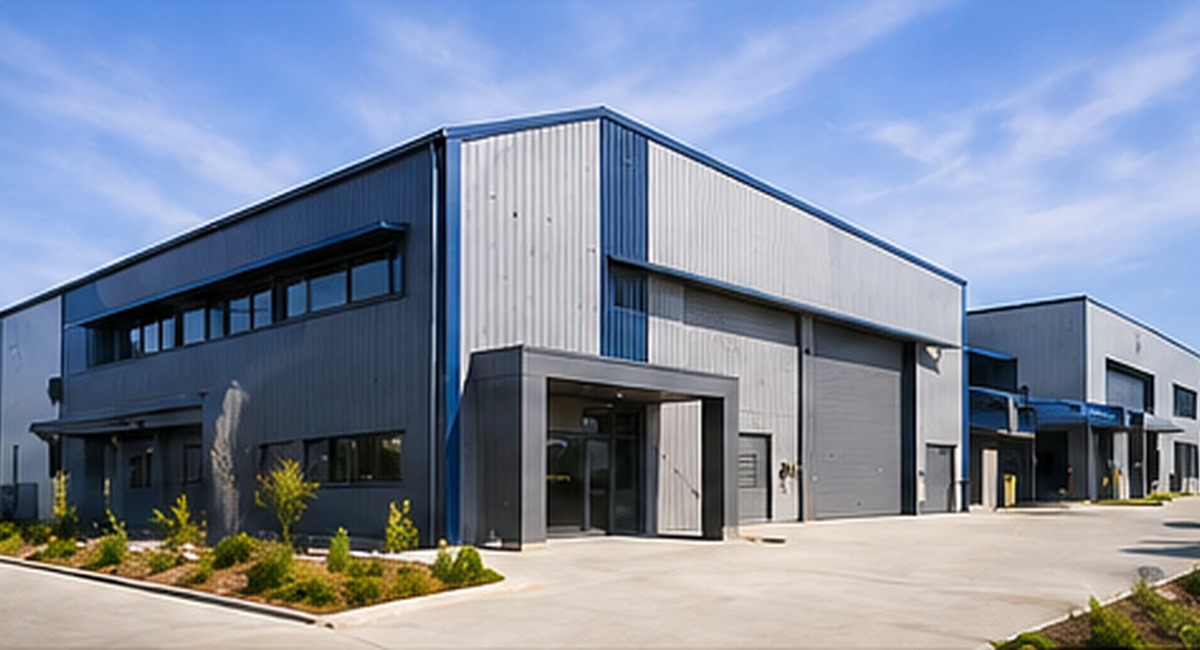
澳洲工業物業
03

Industrial properties

Industrial properties can encompass factory buildings, industrial units, and mixed-use spaces. Before investing, it is essential to analyze land zoning, tenant industries, lease arrangements, and potential for redevelopment or additions.

Understanding Industrial Property Configuration →

澳洲零售商舖
04

Retail stores

The value of retail properties is closely related to foot traffic, the surrounding commercial area, the tenant's operational capabilities, and the terms of the lease. When analyzing a property, it's important to consider whether the rent is reasonable, who bears the expenses, and the future lease renewal prospects.

Understanding Retail Shop Investment →
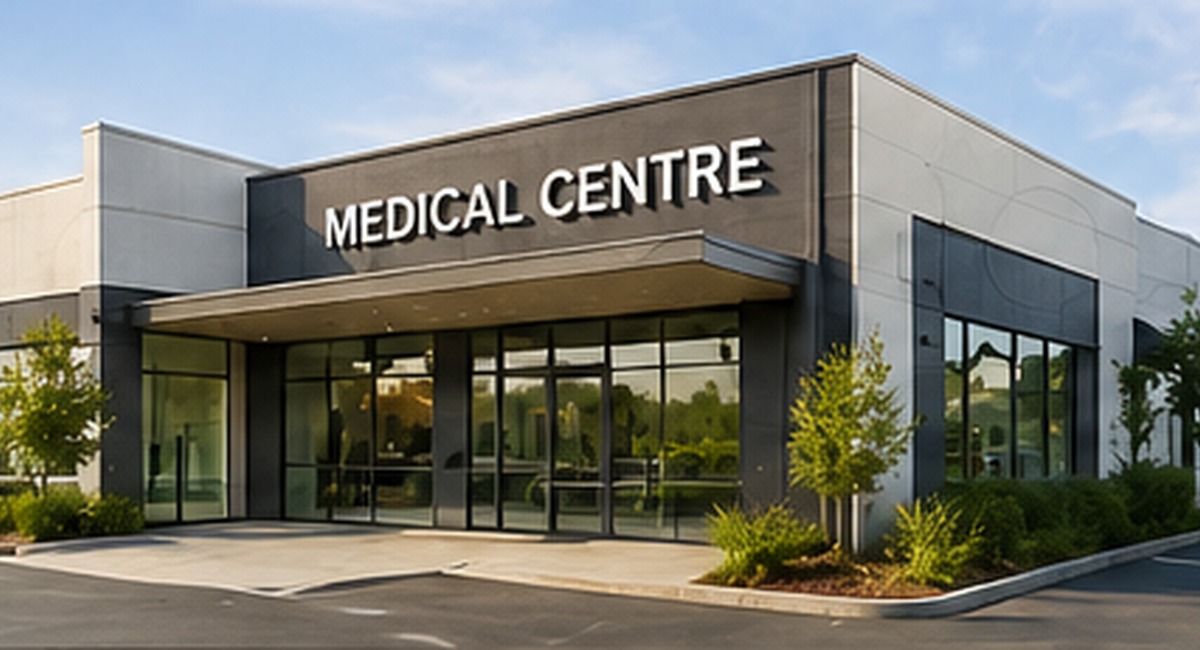
澳洲醫療中心物業
05

Medical Center

Healthcare properties typically prioritize tenant stability, renovation investment, parking spaces, surrounding population, and community needs. Suitable healthcare tenants can provide a clearer foundation for long-term leases.

Understanding Medical Property Configuration →

澳洲農地投資
06

farmland

Agricultural land investment places greater emphasis on land conditions, land use restrictions, water resources, road connections, location, and long-term planning possibilities. Special attention should be paid to zoning, operating methods, and exit strategies before investing.

Understanding the key areas of farmland investment →
zh_HKChinese