Amid rising costs of living, Australian buyers and sellers are increasingly turning to the ancient principles of feng shui, hoping to bring luck and prosperity into the new year. A house in Brisbane's Sunnybank Hills sold for a staggering $2,218,888 last year, highlighting the potential impact of auspicious feng shui numbers on the real estate market.
Feng Shui, a traditional wisdom originally reserved for Chinese, has now transcended cultural boundaries, attracting the attention of Australian buyers and sellers. The practice is no longer limited to Chinese buyers or even practitioners. This trend is reflected in aspects such as house layout, house numbering, and interior design, aiming to enhance energy flow, foster family harmony, and increase wealth.
Mansour Soltani, a property expert at Money.com.au, says the use of feng shui has evolved from a minority practice to a widespread market demand. "People want more than just four walls and a roof," he says. "They want their homes to reflect their aspirations of wealth and prosperity."
From auspicious house numbers to house layouts that can enhance wealth energy, buyers and sellers are paying more and more attention to these details, hoping to improve their fortunes in 2025.
Realestate.com reporters invited two local Feng Shui Masters to explain the "8 Feng Shui Tips" that everyone should pay special attention to this year!
Feng Shui affects real estate values
Sydney feng shui master Jane Langof said feng shui elements, previously favoured by Chinese buyers and investors, were now gaining traction in the wider Australian property market.
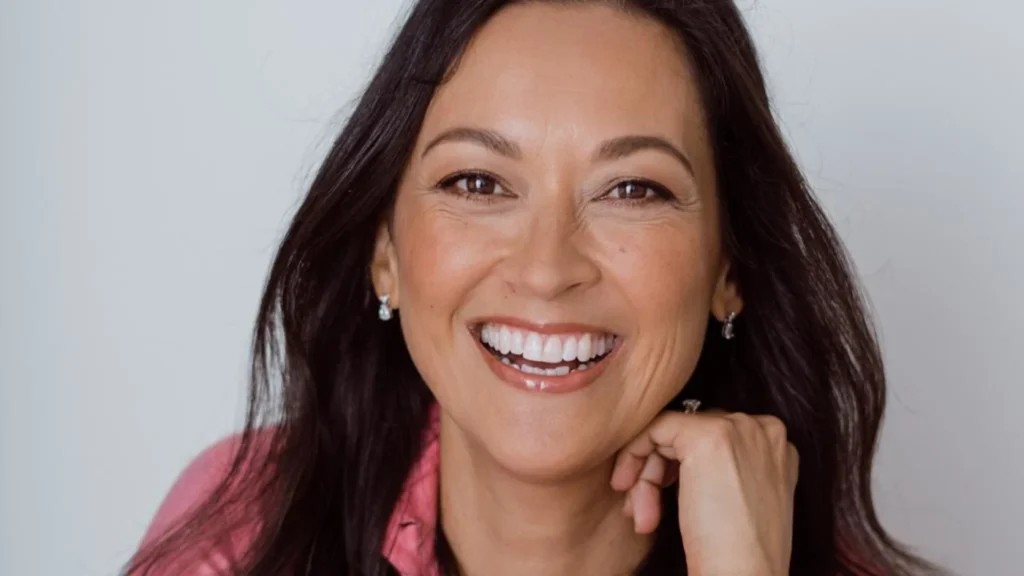
“Many people believe they need to rely on golden toads, maneki neko, or other decorative items to attract wealth,” Langof explains. “Actually, feng shui is about creating harmony and improving the energy flow of a space, not just relying on objects.”
She also stressed that "feng shui can have a significant impact on real estate values and the wealth growth of property owners and investors."
In the real estate market, the influence of feng shui is reflected not only in the design of spaces but also in sales prices. The number 8, in particular, is homophonic with the Chinese character for "fa," meaning "prosperity," symbolizing wealth and prosperity.
In July 2024, a house in Sunnybank, Brisbane, sold for $2,218,888, a price that reflects the preference for auspicious numbers, particularly among buyers of Asian backgrounds.
Feng shui boom in Australia: Experts share secrets to boosting wealth
Money.com.au property expert Mansour Soltani says more Australian buyers and sellers are incorporating these unconventional principles into their property decisions.
“People are looking for more than just four walls and a roof; they want their homes to bring harmony and align with their aspirations for wealth and prosperity, especially in the face of stagnant property prices and the economy,” said Soltani.
From auspicious house numbers to house layouts that can enhance wealth energy, buyers and sellers are paying more and more attention to these details, hoping to improve their fortunes in 2025.
Traditional Feng Shui enters the mainstream market
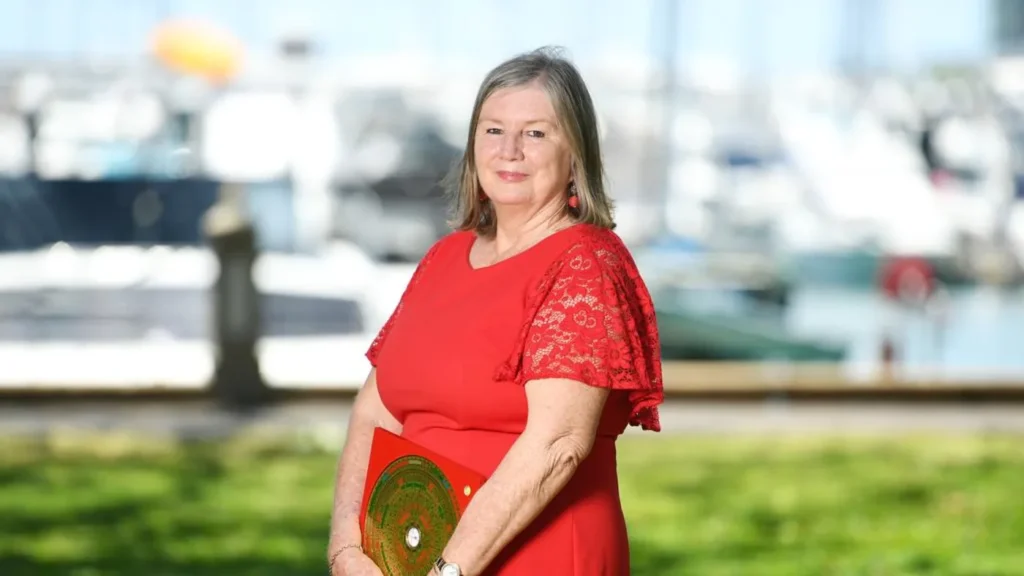
Sydney feng shui master Jane Langof said feng shui elements, previously favoured by Chinese buyers and investors, were now gaining traction in the wider Australian property market.
“Many people believe they need to rely on golden toads, maneki neko, or other decorative items to attract wealth,” Langof explains. “Actually, feng shui is about creating harmony and improving the energy flow of a space, not just relying on objects.”
She also stressed that "feng shui can have a significant impact on real estate values and the wealth growth of property owners and investors."
Geely Digital's Market Impact
In the real estate market, the influence of feng shui is reflected not only in the design of spaces but also in sales prices. The number 8, in particular, is homophonic with the Chinese character for "fa," meaning "prosperity," symbolizing wealth and prosperity.
In July 2024, a house in Sunnybank, Brisbane, sold for $2,218,888, a price that reflects the preference for auspicious numbers, particularly among buyers of Asian backgrounds.
Feng Shui Numerology: Good and Bad
Townsville-based feng shui master Jan Leese says the following numbers are considered auspicious in feng shui:
- 1: A New Beginning
- 3:growing up
- 6:success
- 8: Prosperity and Wealth
- 9: Longevity and Expansion
- 10: Completed successfully
But please note:
- 4(Because it sounds similar to the word "death" in Cantonese) and is not popular.
- 5It represents balance and change, but its meaning changes when combined with other numbers. For example, 54 means "not dead" and 58 means "not developed".
- 7It is related to interpersonal relationships.
If your house number is considered unlucky, you can mitigate its impact by decorating it, adding a circle, or adding other numbers. Leese emphasized, "What matters most is how we interpret these numbers."
Eight Feng Shui Secrets to Improve Your Wealth
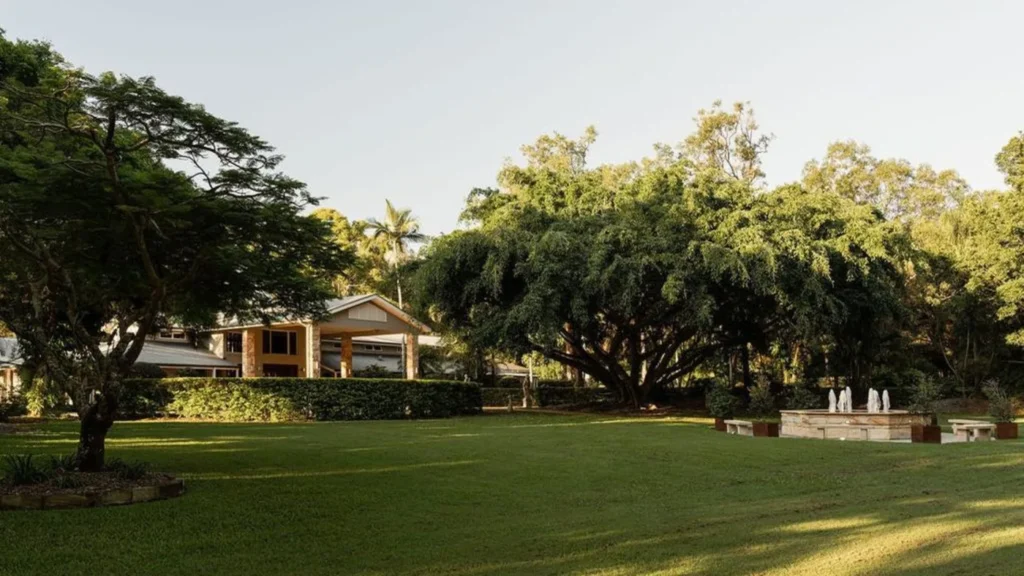
1. Welcoming the God of Wealth entrance
Sydney feng shui master Jane Langof says the main entrance to a home is considered the "door to wealth" or "mouth of chi," the key to allowing energy and wealth to flow into the home. In feng shui, chi is the energy that flows through the environment.
According to Feng Shui principles:
- The main entrance should be kept bright and tidy, free of overgrown weeds and debris, to attract positive energy, opportunity, and wealth.
- Using a door that is solid and in good condition symbolizes stability.
- Adding eye-catching decorations like a round potted jade plant can symbolize prosperity and abundance.
Notice: If the toilet is facing the main entrance, it will symbolize the "loss" of wealth and should be avoided.
2. The rear of the house faces north
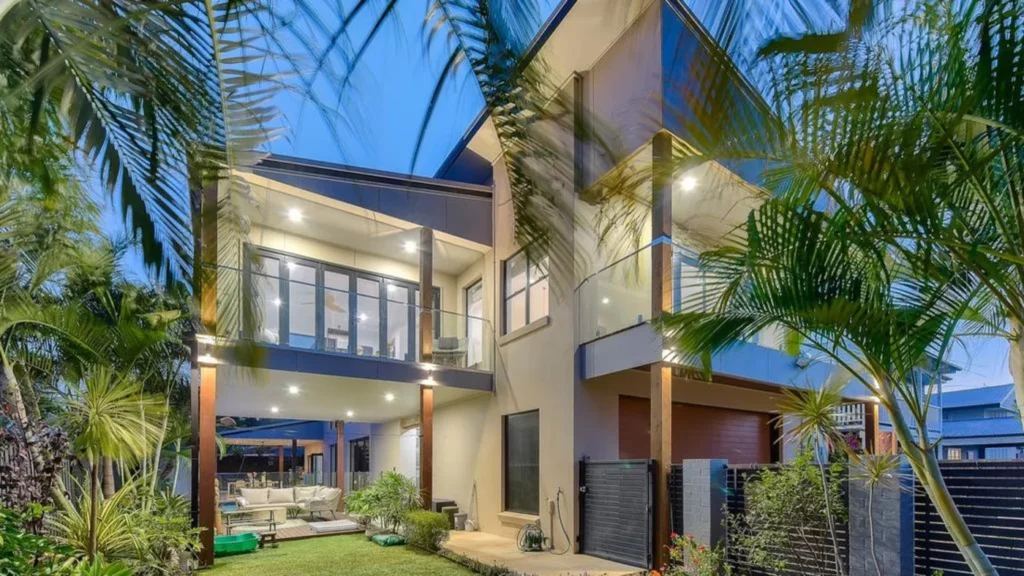
Some say that Australia, located in the Southern Hemisphere, doesn't conform to Hong Kong's traditional north-facing-south orientation, and should instead face south-facing-north. However, an Australian feng shui master notes that homes with north-facing rear windows are particularly auspicious during the current "Nine Luck" cycle (2024–2044), as this orientation aligns with the energy of prosperity.
- This layout allows the living space to receive ample natural light, creating a bright and vibrant environment and promoting the flow of positive energy.
3. Address containing the number 8
In Feng Shui numerology, the number "8" is considered one of the most auspicious numbers because in Chinese, "8" is pronounced similar to "fa" or "wealth".
"In Hunters Hill, where I live, properties with the number eight in them are often developed and sold for exorbitant prices," Mr Langof said.
This preference is not only reflected in the address, but also affects the transaction price, auction date, closing date, transfer time, and even the real estate agent's license plate number.
4. The terrain behind is flat or there is a mountain behind
According to Feng Shui, a gently upward slope behind a house helps retain wealth energy, while a downward slope can cause energy or opportunities to "leak."
Leese says properties need to have a supportive surrounding environment. “Ideally, there should be a hill behind the property that is higher than the house itself,” she says, adding, “In urban areas, taller buildings can act as a substitute for natural hills.”
5. Facing water or setting up water features
Feng Shui considers properties facing a river, lake, or ocean to be extremely auspicious, as water symbolizes wealth. This also applies to homes near parks or natural water sources.
Mr Langof said Sydney's waterfront suburbs such as Rose Bay, Hunters Hill and Balmoral were excellent examples of feng shui, where a balance between land and water supported wealth and vitality.
If your budget is limited, you can add a gently flowing water feature (such as a fountain, fish pond, or aquarium) to your home, especially in the wealth area. However, be aware that incorrectly placed water features can lead to financial loss and health problems.
Leese warns: "I've seen many homeowners go bankrupt because of incorrect water feature placement."
6. Home aquarium
Aquariums are a traditional and interesting Feng Shui design that is believed to bring wealth and good luck to the home, but the type and number of fish are very important.
- It is recommended to raise 8 goldfish and 1 black fish, which symbolizes positive energy and abundance.
- If the snakehead fish dies, it is considered a good omen, as it has absorbed negative energy.
7. Harmonious colors
Peaceful tones, such as earthy greens, soft neutrals, and calming blues, create a balanced environment that supports stability and financial success.
- green: Symbolizes growth and prosperity.
- red: Represents energy and celebration, but should be used with caution to avoid creating tension.
8. Circular Design
Circular or rounded designs represent money and encourage the continuous flow of wealth and energy. Interlocking circles symbolize harmony and connection, which are particularly important for lasting prosperity.
Feng shui principles dictate that sharp corners should be avoided as they can create "cutting energy" or energy blockages, especially in wealth areas.
Summarize
Feng Shui, a traditional wisdom, aims to promote harmony and prosperity through environmental adjustments. However, experts emphasize that Feng Shui is not a precise science, and its influence depends largely on personal beliefs and cultural background. Therefore, whether in home design or real estate investment, it is recommended to consider Feng Shui as a supplementary reference, not the sole basis for decision-making.
Investors should consider key factors such as market conditions, location, and economic conditions when evaluating a property. Only careful decision-making and comprehensive considerations can truly enhance investment success and enhance the comfort of home living.
 Chinese