
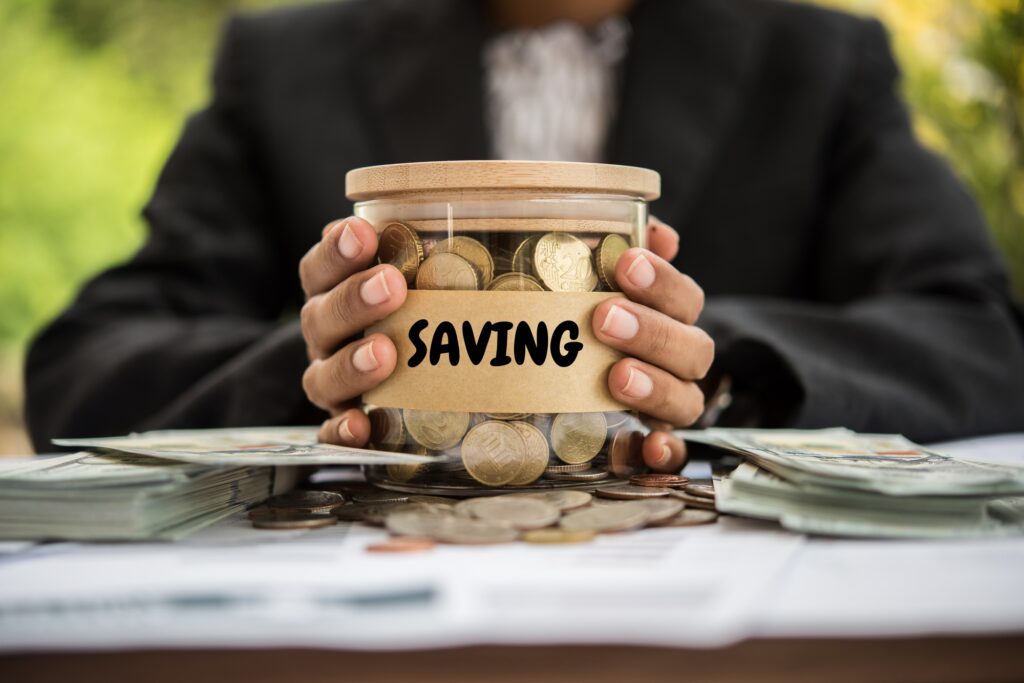
Surveys show that Australians have never been accustomed to saving, so the Australian government has set up an official website Moneysmart , the official provides 6 money-saving methods for residents to refer to! Let's take a look at the most authentic money-saving tips to help you save money in every detail of life.
Contents Overview
Toggle1. Automate your savings and make it a habit
Open a Online Savings AccountThese accounts typically have higher interest rates than regular transaction accounts and cannot be used directly for consumption, reducing the urge to use savings.
You can ask your employer to deposit a portion of your salary directly into your savings account, or set up automatic transfers to make saving a no-brainer. Additionally, some banks offer a round-up feature. For example, if you spend $4.50 on a coffee, $5 will be deducted from your account, and the remaining $0.50 will be transferred to your savings account. These small contributions can add up to impressive results over time.
2. Shop smart and reduce your daily expenses
Take a close look at your spending habits, especially groceries, which are one of the biggest expenses for many Australian households. Here are a few simple shopping tips:
- Make a shopping list: Plan your weekly meal plan before going to the supermarket, buy only what you need and avoid waste.
- Choose cheap brands: Consider supermarket private labels, such as Coles and Woolworths' own-brand products, which are usually cheaper than well-known brands but still of good quality.
- Buy seasonal ingredients: Fruits and vegetables that are in season are cheaper and fresher. For example, mangoes in the summer and citrus fruits in the winter are good choices.
- Buy in bulk or share with neighbors: For basic ingredients like rice and flour, you can choose to buy in bulk when they are on sale, or share the cost of large packages with friends or neighbors.
3. Save energy and reduce household electricity bills
In Australia, where energy costs are high, reducing electricity consumption is an important way to save household money. Specific methods include:
- Smart use of air conditioning: Adjust the air conditioner to energy-saving mode (e.g. 24-26 degrees Celsius) and heat or cool only the rooms that are being used. Close curtains or use blackout curtains to help control the indoor temperature.
- Use energy-saving appliances: Many Australian electrical appliances have energy rating labels, and choosing appliances with high ratings can significantly reduce long-term operating costs.
- Turn off standby devices: Game consoles, microwave ovens, and appliances in standby mode all consume unnecessary power. Turning off outlet switches can effectively save energy.
4. Changes in entertainment and lifestyle
While you're enjoying life, try using lower-cost options. Australia has a wealth of outdoor resources, and you can make life more interesting by taking advantage of these free or low-cost activities:
- Outdoor activities instead of gym: Join free community running events (such as parkrun), or follow free online fitness classes instead of expensive gym memberships.
- Have a picnic instead of eating out: Australia's parks and beaches are well-equipped, and bringing your own food for a picnic or BBQ with friends or family is an economical way to enjoy a good time.
- Reduce redundant subscription services: Choose one streaming platform you use most and cancel the rest, or use free platforms like ABC iView and SBS On Demand to watch premium content.
5. Compare and choose the better deal
Shopping around can help you save big. Here are a few common comparison items:
- Electricity and gas:Use government websites such as Energy Made Easy or Victorian Energy Compare Find a cheaper provider and consider switching to a more discounted plan.
- Insurance: Whether it's auto or home insurance, request quotes from multiple insurers at renewal time and try to negotiate discounts, especially if you're bundling multiple policies together (such as auto and homeowners insurance).
- Communications Plan: Check your phone and internet usage to make sure you choose a plan that meets your needs and avoid paying for more than you use.
6. Create a savings plan and prioritize debt repayment
The secret to saving money is to set clear goals and stick to them:
- Set a savings goal: Whether it is a short-term travel plan or a long-term property purchase goal, set a specific amount and deadline, and use Savings Goals Calculator Helps track progress.
- Prioritize repayment of high-interest debt: If you have credit card or loan debt, try to pay off the higher-interest portion first to reduce interest payments and accelerate your financial freedom.




 Chinese