
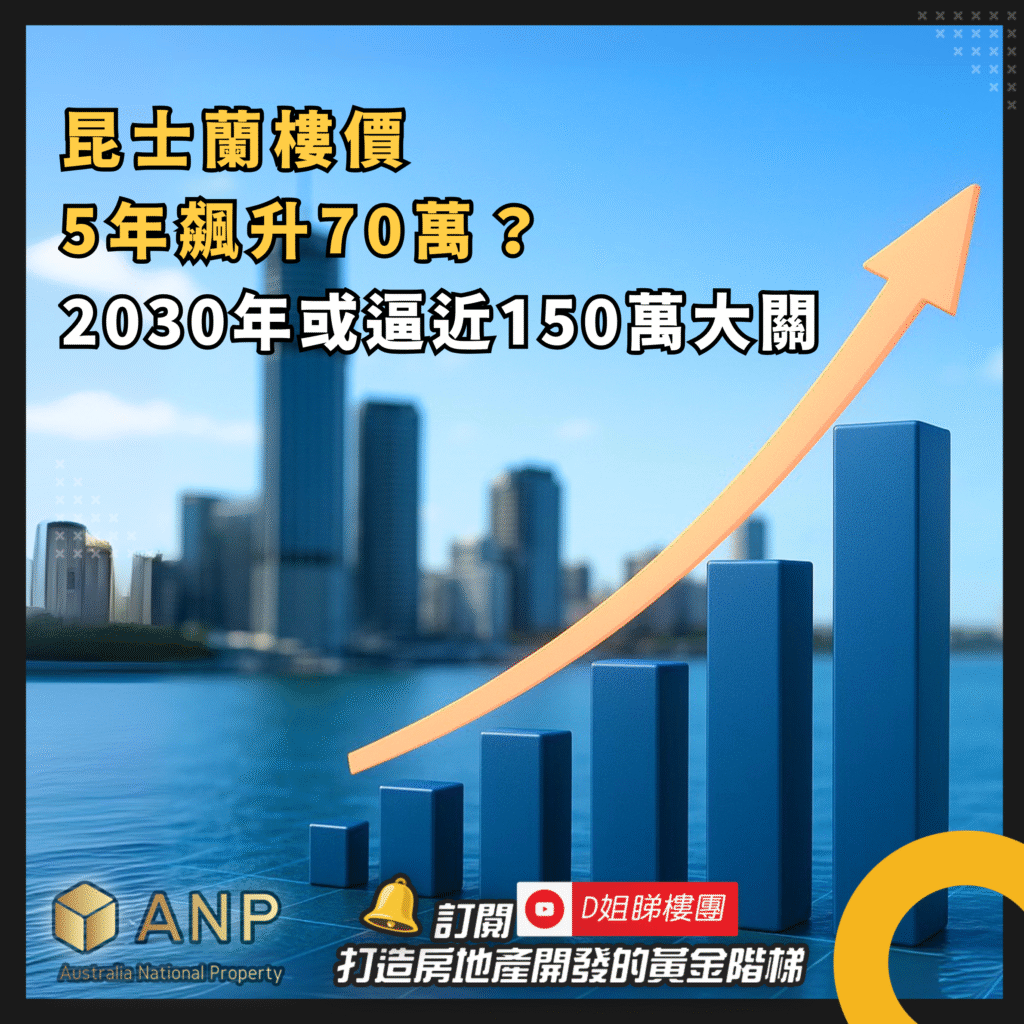
Extreme predictions spark heated market debate
According to a new report, if the strong growth trend seen in recent years due to the pandemic continues, Queensland home prices could reach approximately A$1,530,000 by 2030. This means that the current statewide average house and unit price of approximately A$838,000 is expected to rise by approximately A$841,000 (approximately A$689,572) over five years.
The forecast predicts that some suburbs and remote areas could see dramatic price growth, with some locations potentially doubling or tripling in value.
Contents Overview
ToggleRegional and luxury housing markets may become the "locomotive"
Suburban and remote areas: the largest potential for growth
The report indicates that low- to mid-range residential markets (such as suburban or remote areas) with a median price below AUD$500,000 are likely to join the million-dollar club within the next five years. For example, Kooralbyn in the Logan-Beaudesert area, where the current median unit price is only approximately AUD$291,000, is projected to rise by 225% to approximately AUD$946,000 by 2030.
Similarly, in regional Queensland towns such as Monto (Wide Bay region), the current median house price is around $295,000, and the report predicts it will reach $967,000 by 2030, an increase of around $227%.
Luxury homes and waterfront properties: Strong growth
At the high end of the market, projected growth remains astonishing. The report says 14 areas could see median prices exceeding $4 million, with Surfers Paradise potentially reaching $9 million, a rise of around $126% from its current valuation of around $4 million.
Other promising locations include Mermaid Beach (estimated at around A$6.46 million) and New Farm (around A$5.26 million).
High-end agents in the market aren't completely dismissive of these predictions. One real estate agent said that while the $9 million valuation might seem bold, it's possible if demand remains strong. Beachfront and waterfront properties in the area are particularly sought after.
Drivers and risks
- Driving forces: Immigration, infrastructure investment and affordable location premium
The report agrees with industry observers that the main reasons why Queensland has become a hot spot in the housing market include: - Interstate migration: There has been a significant increase in the number of residents moving to Queensland from New South Wales and Victoria, which has driven local housing demand.
- Infrastructure improvements: Improvements in transportation and public facilities in suburban and remote areas have brought these previously remote areas closer to urban living areas, attracting buyers.
- Price elasticity: In areas where housing prices are already low, there is greater potential for price increases; as these "affordable areas" rise in value, buyers may also move into the mid-range and high-end markets.
Risks and Challenges: Income, Interest Rates, and Sustainability
Although the above predictions are quite attractive, many analysts and practitioners remain skeptical about their feasibility:
- Market saturation and buyer fatigue: Most potential buyers have entered the market after the epidemic, and new buyers in the future may be more cautious, and their purchasing motivation and financial conditions may not be as good as in the past.
- Income and repayment pressure: Taking the Logan area in Queensland as an example, if the house prices predicted by PropTrack are realized, the weekly repayments of households (assuming an 80% loan and an interest rate of 6.5%) will be much higher than the average household income in the area.
- Uncertainty about rising interest rates: If interest rates continue to rise in the future and mortgage costs remain high, it may suppress demand for home purchases.
- Forecasts rely on past trends: Some agents have pointed out that the extreme housing boom created by the pandemic and low interest rates in recent years may not be sustainable. Lauren Jones, a Queensland real estate agent, expressed doubts about the valuation of units in the Logan area soaring to A$1 million.
How should investors and buyers respond?
In light of these extreme forecasts, potential buyers and investors may consider the following strategic points:
- Be cautious and don't blindly chase high prices: Although the potential returns are attractive, the risks of excessive leveraged investment cannot be ignored if the basic conditions (income, loan interest rates, regional support) are unbearable.
- The selection of areas and targets is more critical: it may be more stable to invest in areas with growth potential (especially those with clear transportation and public facilities planning) than to directly bet on high-end areas.
- Monitor policy and interest rate trends: Changes in monetary policy direction and lending conditions can immediately impact housing market momentum. It's important to monitor the Reserve Bank of Australia (RBA) and the mortgage market.
- Long-term perspective and exit strategy: If the predicted surge is achieved, setting exit (or position switching) opportunities in advance can effectively lock in profits and mitigate downside risks.
ANP professional advice
While potential buyers and investors are certainly tempted by these extreme predictions, relying solely on reports can easily overlook the underlying risks. For example, in areas like Logan and Wide Bay, while data suggests a potential "doubling" in future growth, it's worth considering whether local household incomes and mortgage repayment capabilities can actually sustain them. Buyers who focus solely on price increases while ignoring mortgage pressures and interest rate trends risk finding themselves in difficult situations when the market turns.
In this market environment, ANP plays a crucial role. Our team, comprised of lawyers, accountants, and professional real estate consultants, not only provides investors with the latest market data but also analyzes regional planning, infrastructure development, and legal compliance to help clients determine which regions are experiencing real growth and which are merely "numbers-based."
We urge readers to avoid investing based solely on optimism when faced with forecasts. Choosing a professional agent and advisory team will help you understand the risks and opportunities, avoid overestimating the market, and develop the most appropriate real estate or investment strategy.
ANP has been assisting investors to make more prudent and sound decisions between Hong Kong and Australia.




 Chinese