

According to the Settlement Council of Australia (SCOA)'s latest report, "Migration and Housing Affordability in Australia," published in March 2025, the common belief that blaming rising housing prices on immigration is misplaced. The report, through an in-depth analysis of various economic and institutional factors, argues that the true driving force behind Australia's housing price increases lies not in population growth per se, but rather in chronic undersupply, land planning restrictions, and market-distorting tax and financial policies.
Supply crisis is the main reason - Australia's housing construction volume hits a ten-year low
The report, citing data from the National Housing Supply and Affordability Council, shows that only 172,000 homes will be completed across Australia in 2023, the lowest level in a decade. Meanwhile, construction times are significantly lengthened:
- The average construction time for a single-family home is 12 months(9 months in 2019–20)
- Townhouses require approximately 15 months
- Apartments take up to 29 months
The main reasons for the slowdown in housing construction include complex planning regulations in various places, more than 500 local governments operating independently, and inconsistent planning approval processes, resulting in serious efficiency gaps.
In addition, available residential land for development has long been concentrated in areas with well-developed infrastructure, and is difficult to release due to planning restrictions, which has led to high land prices. The report pointed out that in most high-demand areas, land costs account for as much as 10% of the total price of new houses. 40% to 60%, exacerbating supply cost pressures.
Policies and credit boost investment demand, pushing up property prices
The Australian property market has long benefited from a low interest rate environment and credit liberalization. From the mid-1990s to the early 2000s, standard mortgage rates fell from double digits to between 5 and 61% per 3T, significantly increasing household borrowing capacity and leading to a significant increase in property prices. This financial easing made borrowing more accessible, spurring investors to enter the market.
In terms of taxation, the "Negative Gearing" and "Capital Gains Tax Discount (CGT Discount)" policies make real estate an extremely attractive investment tool. According to the Australian Taxation Office, as of 2021, more than 2.3 million peopleHolding investment properties, of which 60% Using the negative gearing systemThe tax return leads to excessive investment demand in the market, and owner-occupiers are forced to compete at higher prices.
Immigration has limited impact on property prices, but contributes significantly to the economy
The report acknowledges that immigration will drive population growth and push up housing demand in some areas, but the impact is secondary. According to a study, when the proportion of immigrants in a region increases by 1%, the annual increase in housing prices in that region is only About 0.9%.
In relative terms, immigration brings substantial financial and human capital benefits to countries:
- EachPermanent skilled immigrantsLifetime contribution to the government $ AUD249,000(net value), which is taxes less service expenditures
- Cutting skilled immigration by 135,000 over the next four years would result in lost tax revenue. A total of A$143.4 billion
- Skilled immigration has positive effects on productivity, innovation and entrepreneurship, and can help offset the aging local population and shortage of skilled labour.
At the same time, the report pointed out thatNew immigrants are the group most likely to have difficulty affording housing, who are most vulnerable to rising house prices and rents due to their lack of family assets passed down from generation to generation.
The solution: comprehensive planning reforms rather than blaming immigrants
The SCOA report calls for more comprehensive policies at all levels of government, including:
- Unify and accelerate urban planning approval mechanisms
- Release buildable land in areas with convenient transportation
- Re-examining tax policies to encourage investment
- Optimize the loan system to balance the interests of investors and homebuyers
Most importantly, policy-making should focus on long-term supply and the overall interests of society, rather than falling into short-sighted "anti-immigration" sentiment.
Industry perspectives
As a real estate agency that has long helped new immigrants settle and buy homes, we've noticed that many of our immigrant clients are not only seeking homes but also contributing to the supply of housing. Many new immigrants have backgrounds in architecture, engineering, and financial management, and are actively involved in projects like subdivision and dual occupancy developments.
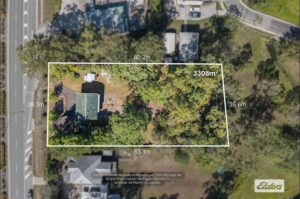
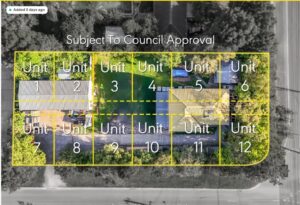
For example, one of our clients purchased a large plot of land in Logan and developed a duplex development, which not only provided additional rental units but also created local construction jobs. This type of action is in line with the government's desire to increase the supply of affordable housing.
In fact, encouraging more skilled immigrants to participate in small and medium-sized land redevelopment can not only address housing shortages but also contribute to regional revitalization and infrastructure upgrades. If we can support these immigrant developers through policies and financial tools, we can create a positive cycle of "supply, employment, and population integration."


 Chinese