
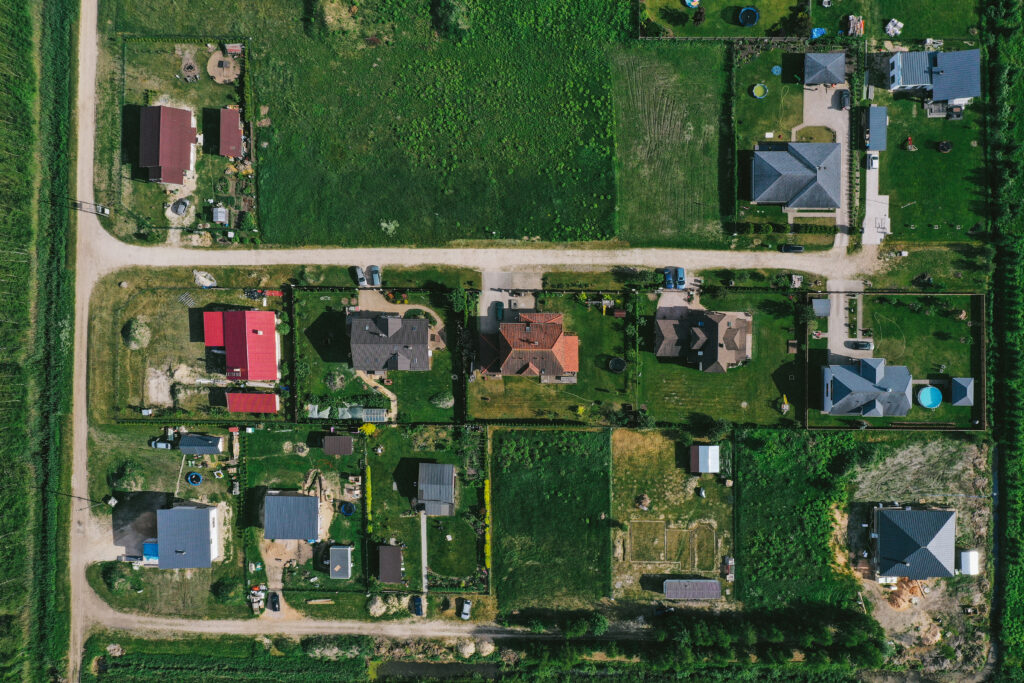
Land subdivision has long been considered a promising property development strategy. Compared to building townhouses or units, it requires less capital and offers a profitable path for homeowners or first-time investors. However, with increasingly stringent regulations, successful subdivision projects require careful planning, a thorough understanding of the rules, and strategic execution.
The following are Seven professional secrets, to help you successfully complete the spin-off project.
1. Understand the cost structure
The most common mistake first-time land subdivision developers make is underestimating the amount of money required for the project. The cost of a land subdivision typically runs into tens of thousands of dollars and may include the following:
- Demolition and site cleanup
- retaining wall construction
- Urban planning and engineering reports
- Measurement Services
- Government and District Council Fees
- Infrastructure upgrades
Since most of these expenses cannot be financed through banks, it is important to have sufficient cash on hand to cover the associated expenses.
2. Study land zoning planning
Each lot is designated as a specific zone in the local council's town plan, and its regulations determine the feasibility of subdivisions. Planning rules will set out minimum lot size requirements, so make sure you understand the local regulations and calculate whether your land qualifies.
3. Pay attention to other council regulations
While zoning is important, it is not the only factor in determining the success of a spin-off. Other issues to consider include:
- Lot size: Does the shape of the land meet the requirements for subdivision?
- Covering: Check if there are any overlay restrictions related to environmental protection or historic preservation.
- Existing buildings: Existing buildings or facilities may affect the separation plan.
- Stormwater drainage: Do the slope and drainage of the land meet the regulations?
Local councils often offer online mapping tools or downloadable documents to help you assess these factors. Remember, your land conditions may differ from those next door or across the street.
4. Addressing infrastructure needs
Each newly subdivided lot will need to be connected to basic services, including:
- Water and sewage systems
- Stormwater drainage system
- Power and communication facilities
- Legal access
Confirm that these services are available and can be functionally connected. In some areas, parts of the infrastructure may be managed by non-council entities, further complicating the project.
5. Allow enough time
Land subdivision involves multiple layers of government procedures and takes months to process. For example, from obtaining approvals to completing plan sealing, small subdivision projects generally require 8 to 12 monthsHaving a clear understanding of the timeline can help avoid unnecessary delays and cost overruns.
6. Understand market demand
Before you begin subdividing, it's important to understand the needs of your target market. For example, in a market that prefers larger lots, subdividing lots may not attract buyers. Understand the types of potential buyers—whether they're owner-occupiers, builders, or investors—and tailor your plan to their needs.
7. Assess financial feasibility
Ultimately, the question is whether the spin-off project is financially worthwhile. You need to assess the total value of the completed project, comparing it to the starting value and associated costs. For example:
- Is the value of the newly created lot, combined with the reduced size of the main lot, greater than the cost of the project?
- Is there enough profit margin to offset the investment?
Conducting a detailed financial feasibility analysis is crucial. For more detailed information, see our related resources.
Need help?
Land subdivision can be complex, but you don’t have to face it alone. Whether it’s a phone consultation or a detailed report, our SCM Assure Service We can provide you with professional guidance to help you avoid expensive mistakes and maximize profits.
Contact us now to make your spin-off project go more smoothly!
With proper planning and understanding of the market and financials, land subdivisions remain an attractive avenue for property development into 2025 and beyond.





 Chinese