
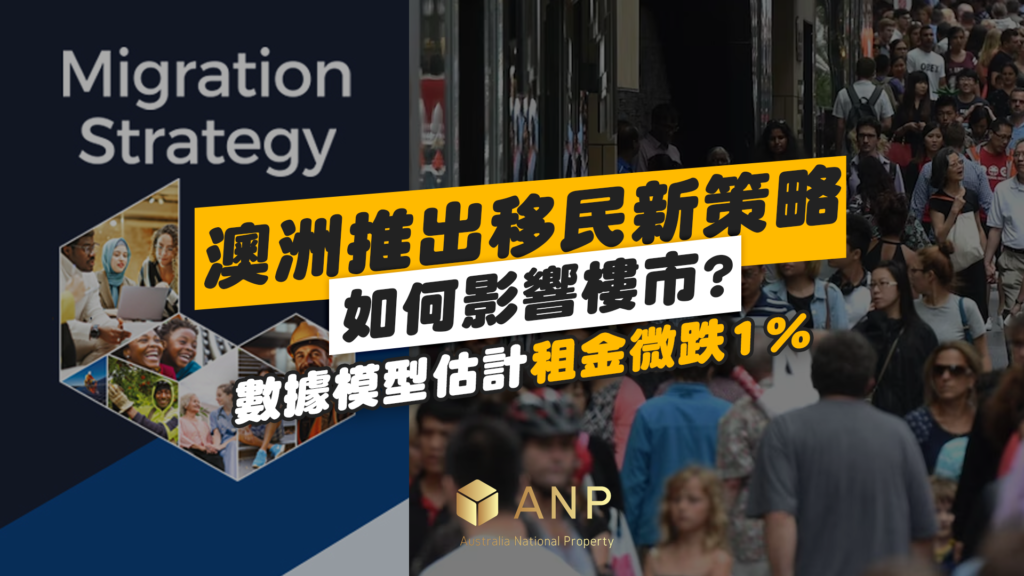
After recovering from the pandemic, Australia is facing an influx of new immigrants, coupled with rising rents and housing prices. This has left many Australians feeling daunted by the prospect of homeownership, making it difficult for them to realize their dream of owning their own home. To address these challenges, the Australian federal government announced a 10-year immigration strategy, hoping to alleviate some of the pressure on housing demand. This strategy has sparked heated discussion in Australia.
Contents Overview
ToggleHome Affairs Minister Clare O'Neill stated that the current immigration system is failing to meet the needs of workers, businesses, or the national interest. Approximately half a million immigrants arrived in Australia last year. While immigration is not the only factor influencing rents and house prices, it undoubtedly contributes to strong demand for housing. Under the government's new policy, immigration levels will fall to 375,000 next year and further to 250,000 by 2025.
Housing supply is failing to keep pace with population growth
However, some scholars believe that, given the backdrop of declining living standards, Australia would have already fallen into recession if it had not relied on population growth. Diana Mousina, deputy chief economist at AMP, noted that rapid immigration growth is not matched by the domestic housing supply. She stated, "We are currently not building enough homes to cope with the pressures of population growth." Mousina also stated that such growth can only be sustainable if housing supply and related infrastructure can keep pace with high immigration demand. However, the reality is that the rental market is under excessive pressure, which is also exacerbating inflation. According to the Australian Bureau of Statistics (ABS), the average national residential price rose by 2.71% to A$912,700 in the year to June.
The Grattan Institute, an Australian think tank, estimates that these reforms will help alleviate pressure on the housing market. While the benefits are limited, they are undoubtedly steps in the right direction. The report notes that immigration has had a modest impact on Australian house prices and rents: "Because highly skilled immigrants have higher incomes, they are more likely to increase demand for Australian housing, which in turn can moderately increase rents and house prices, especially given that housing supply has long failed to meet population growth."
The institute's data model shows that if the government's reforms are implemented, rents will fall by about 1% over the next 18 months, even with reduced immigration growth.
Rental trends will show regional differences
The new immigration policy focuses heavily on international students and skilled immigrants: it will make it more difficult for low-skilled workers to obtain permanent residency, but quotas will be reserved for high-end talent. The government will also raise English language requirements for international students and graduates, strengthen scrutiny of high-risk student visa applications, and limit the abuse of student visas.
With adjustments to immigration policy, the Australian government hopes to balance rising pressures on rents and property prices. Reducing the total number of immigrants and raising the skill requirements for immigrants are expected to alleviate this pressure to some extent, particularly in densely populated metropolitan areas. It's worth noting that immigration policy has varying impacts on the real estate market in different regions. In densely populated metropolitan areas like Sydney and Melbourne, immigrants and international students have a more pronounced impact on the rental market, and apartment rents are particularly susceptible to this impact.
However, in less populated areas, the purchase of land and housing by new immigrants may boost the local property market, promoting the development and diversification of the regional economy. Trent Wiltshire of the Grattan Institute said, "Immigration strategies are now more focused on attracting highly skilled people to Australia, making it easier for them to stay and obtain permanent visas." He said, "These changes mean that for those who come to Australia on student visas and study low-skilled courses, the chances of obtaining a permanent visa are lower. But for highly skilled people who are doing high-paying jobs or studying, their chances of staying are great."
He also said the government's new Talent and Innovation Visa could be crucial in attracting truly talented entrepreneurs to Australia, estimating these new immigrants could contribute tens of billions of dollars to the economy.
Summarize
Some believe the Australian government may need to consider the economic and real estate market conditions of different regions when formulating immigration policies. At the same time, increasing housing supply, improving construction efficiency, and promoting affordable housing will be key to easing housing price pressures. Furthermore, the government needs to focus on sustainable development in the housing market, including environmentally friendly construction and community planning.
Overall, adjustments to immigration policies have far-reaching implications for Australia's real estate market. When formulating relevant policies, the government needs to balance the economic benefits of immigration with its impact on the housing market, taking into account long-term market health and stability. For investors, developers, and the general public, understanding these policy changes will help better plan future housing and investment strategies.





 Chinese