

While the gap between wage growth and property prices has widened, the dream of home ownership is still within reach for average-income Australians. With market fluctuations and sound personal financial planning, buying a property early can prevent the gap from widening further, making the dream of home ownership more attainable.
According to the Australian Bureau of Statistics, the Wage Price Index shows that over the past decade, median wages have risen by between 241 and 301 TWh, depending on the region of residence. While median house prices have outpaced wage growth over the same period, the rate of increase varies across regions, presenting diverse opportunities for aspiring homebuyers. Consider entering the market early to mitigate the impact of the gap between house price and wage growth and increase your chances of success.
Brendan Coates, director of housing and economic security at the Grattan Institute, told SBS News that house prices have risen fivefold over the past two decades, more than twice as fast as wages. "For decades, house price growth in Australia has consistently far outpaced wage growth, and the past decade has been no exception," he said.
Home price and wage growth by state

While wages in Victoria have risen by $271t3t since September 2014, median house prices in other parts of Victoria have risen by $100t3t over the same period. In Melbourne, house prices have risen by $611t3t, from $505,000 to $814,000, while unit prices have risen by $251t3t.
Salary growth trends were similar on the east coast, with New South Wales and Queensland seeing increases of 26% and 27%, respectively. Significant differences in price growth across regions mean some areas remain relatively affordable. Buying early in the current market can help mitigate the pressure of future price increases. Over the past decade, Brisbane's median house price surged from $451,000 to $885,500, an increase of 96%, while the rest of Queensland saw an increase of 60%. New South Wales saw similar price growth, with Sydney prices increasing by 92% and the rest of New South Wales by 99%.
On the west coast, the situation is different, with house price increases being relatively modest. The average house price in Perth rose by $421,000, from $530,000 to $750,000, while apartment price increases across Western Australia have lagged behind the state's labor cost increase of $241,000. In the Northern Territory, house price growth has even lagged behind or fallen over the past decade, with labor costs increasing by $251,000.
Factors affecting labor and housing prices
Cameron Murray, chief economist at Fresh Economic Thinking, noted that the labor price index doesn't capture all forms of household income, such as investment income or welfare payments. However, for the 11.8 million Australians aged 15 or over in August 2023, labor remains an important indicator of home buying ability. With the diversification of income structures, proper financial management can help people achieve success in the housing market.
Proptrack senior economist Paul Ryan said that after a long period of low interest rates, rising interest rates have led to a period of high growth, meaning Australians can borrow more money. He told SBS News: "Interest rates have a big impact on property prices because they have a big impact on how much people can borrow, and interest rates fluctuate with the economic cycle." The pandemic period saw the third-fastest growth in Australian house prices in history, but the market subsequently corrected, creating new opportunities for aspiring homebuyers. Since then, cash interest rates have soared from a record low of 0.251T/3T in March 2020 to the current 4.351T/3T.
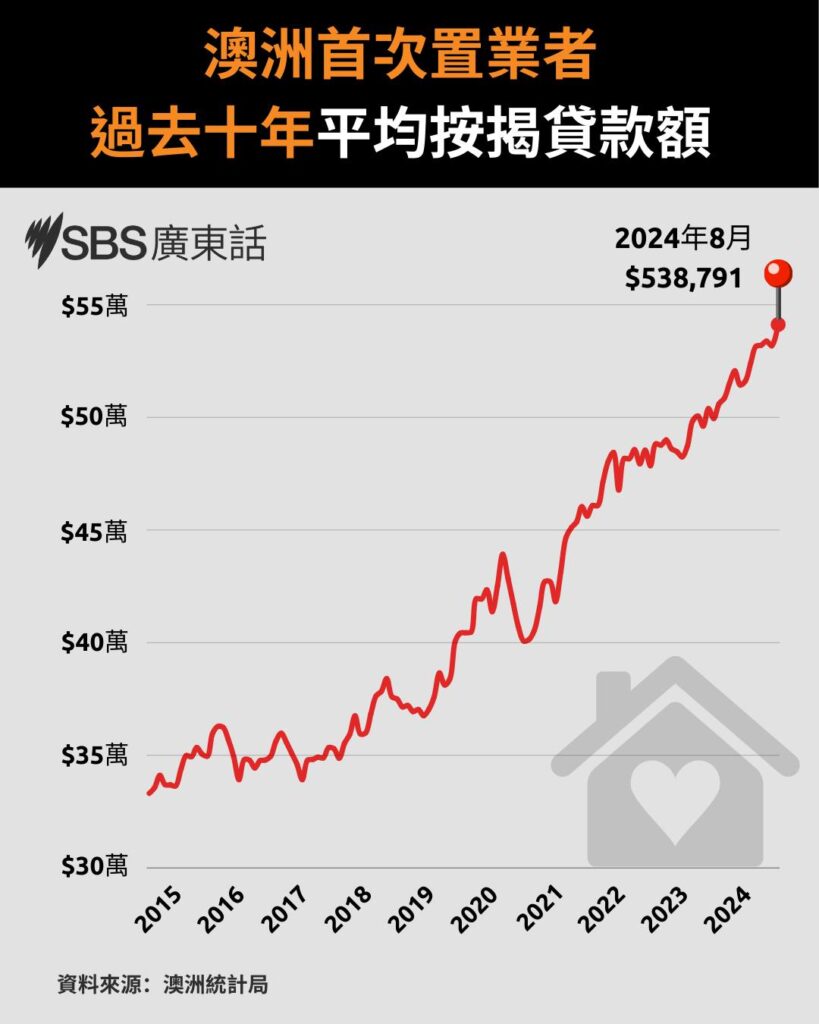
How to deploy a property purchase plan
Readers planning to purchase property in Australia should consider planning early to keep pace with market fluctuations and lock in a suitable property price. For international buyers, purchasing land and building a house (house and land) can help lock in a property price in advance, allowing for greater flexibility and control over property costs. Furthermore, readers are advised to understand their own ability to afford a property in Australia, including loan availability, relevant tax policies, and other purchase costs, so as to prepare for comprehensive financial planning. Developing a property purchase plan early will help you seize opportunities amidst market fluctuations and achieve long-term financial goals.





 Chinese