
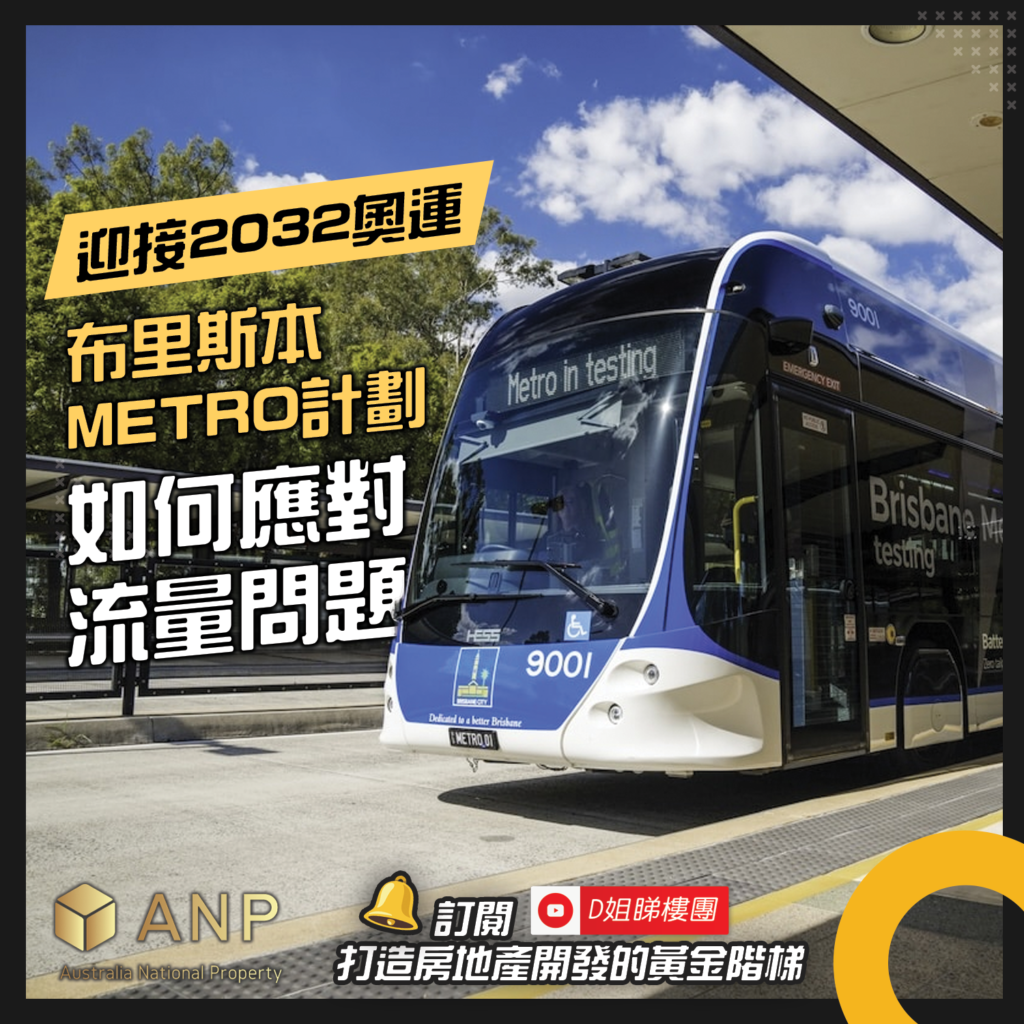
Brisbane Metro officially opens: Brisbane's transport changes for new migrants
Brisbane’s public transportation system has always been criticized for its insufficient frequency, frequent bus delays and traffic congestion. It is not easy for newly arrived immigrants to adapt to the local bus and train system.Brisbane MetroAtOfficially put into service on January 28, 2025, plusBrisbane's New Bus NetworkAs it’s phased in, Brisbane’s transport landscape is undergoing its biggest transformation in a decade.
Contents Overview
ToggleThis is done byJointly funded by the Australian Federal Government and the Brisbane City CouncilThis infrastructure project aims to improve public transport efficiency and reduce congestion in the city. For newcomers to Brisbane, will this new measure truly improve the daily commuting experience? Has it solved existing problems? Below is an analysis of the key facts surrounding this transport reform.
What is Brisbane Metro? High-capacity electric fleet officially launched
Brisbane Metro is not a traditional subway system;High-capacity, all-electric Bus Rapid Transit (BRT)The plan will allow buses to run exclusively on Brisbane's bus lanes, avoiding the traffic congestion common on the general bus system. The city government said the plan will help improve the reliability and sustainability of the public transport network.
Metro's features include:
- Higher frequency:use"Come and go"(Turn-up-and-go) mode, inEvery 5 minutes during peak hoursThere is a bus that greatly shortens the waiting time.
- High passenger capacity: It can accommodate more passengers than ordinary buses, reducing crowding.
- Fast charging technology: The vehicle can beComplete charging in 6 minutes, ensuring uninterrupted service.
- Environmentally friendly design: An all-electric fleet will help reduce urban carbon emissions.
- Seamless transfer: It can be connected with the existing bus network and train system to facilitate passengers' transfers.
at present,Metro M2 Line(UQ Lakes to Royal Brisbane and Women's Hospital) was officially put into service on January 28 and replaced the oldBus No. 66.also,M1 Line(Eight Mile Plains to Roma Street) is expected toMid-2025This means passengers living in the city and near universities will have a faster and more reliable public transportation option.
New bus network: 8 bus routes adjusted, affecting daily travel
Launched simultaneously with Brisbane MetroBrisbane's New Bus Network, including adjustments to 8 bus routes and the addition of a new school bus line, the city government hopes toImprove the efficiency of transportation connections between urban areas and suburbs.
The city government recommends that passengers useTranslink's Journey Planner, call 13 12 30 or download the MyTranslink app, to view the latest bus route and timetable changes.
In addition, in order to improve the public's sense of direction, the authorities have also adjusted the names of some bus stops, includingKing George Square station to be renamed City Hall stationThe station was renamed to highlight its location next to Brisbane City Hall. This change is consistent with the naming practices of other major Australian cities and is intended to make it easier for passengers to identify the location.
Future expansion plans: Are Brisbane's transport reforms enough?
Although the launch of Brisbane Metro is seen as an important step in Brisbane's public transport reform, many residents and experts still question whether it can truly solve the city's traffic congestion problem.
At present, Brisbane MetroOnly covers the M1 and M2 main linesAlthough it can improve transportation efficiency on major roads in the city, it has a limited impact on residents living in areas far from the city, such as Springwood, Capalaba, and Carseldine. To further improve transportation coverage, the city government is studying future Metro expansion plans, including:
- Southern Metro(CBD to Springwood)
- Eastern Metro(CBD to Capalaba)
- Northern Metro(CBD to Carseldine)
- Airport Metro(CBD to Brisbane Airport)
However, these expansion plans still require government approval and financial support, and it remains unknown whether they can be implemented in the short term.
Brisbane Metro's impact on new immigrants and suggestions
For immigrants who have just arrived in Brisbane, adapting to the local public transportation system is an important issue. The launch of Brisbane Metro and the new bus network will directly affect the way you travel. Here are some important suggestions:
1. Familiarize yourself with Brisbane Metro and the new bus network
- Metro has replaced the old route 66 busPassengers travelling to the city centre, schools and hospitals need to use the M2 line.
- The M1 line will open in mid-2025, affecting the commuting patterns of residents in the South District.
- Some bus stops will be renamed, it is recommended to pay attention to official information to avoid confusion.
2. Make good use of transportation apps
- DownloadMyTranslinkThe app allows you to instantly check bus schedules and route changes, reducing waiting time.
3. Understand the ticketing system
- Brisbane's main public transportGo CardNew immigrants should purchase in advance and familiarize themselves with the recharge method to enjoy discounts.
4. Pay attention to future expansion plans
- If you live in an area not covered by Metro, you can pay attention to future expansion plans and evaluate whether you need to adjust your commuting pattern.
Summary: Can Brisbane Metro really improve Brisbane's transport?
The launch of Brisbane Metro has indeed brought some changes to Brisbane's public transportation, especially for citizens and students who need to travel frequently to and from the city. The new Metro system undoubtedly provides a more reliable option. However,Whether this is enough to solve Brisbane's long-standing traffic problems remains to be seen..
In the short term, Metro will only improve public transportation in the city center and along major arterial routes, but it will not completely resolve the transportation issues between the suburbs and the city. Future expansion plans, if implemented, will further expand transportation coverage and make Metro a true city-wide rapid transit system.
For immigrants who have just arrived in Brisbane, understanding this transportation change will help them adapt to local travel patterns more quickly. Regardless of the final results, this change marks an important step towards the modernization of Brisbane's public transportation.






 Chinese