
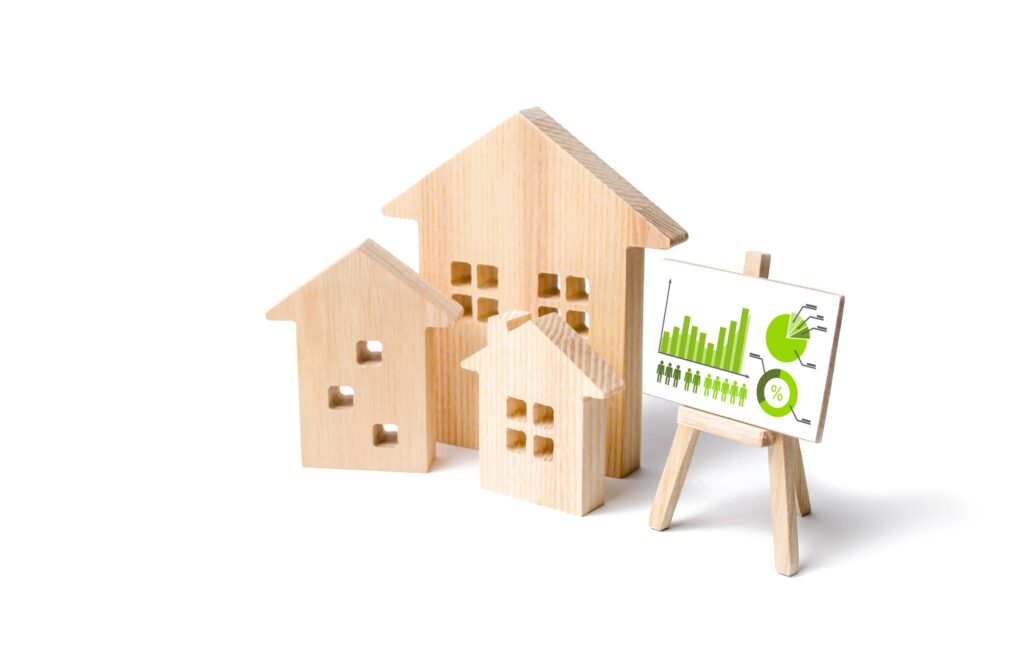
Investing in residential property isn't just about collecting rent; it also requires regular assessment of its financial stability, tenant satisfaction, and long-term growth potential to ensure continued asset appreciation. Mina O'Neill, Director of Australian Property Investments, says a sound investment strategy requires multi-level scrutiny to maintain the property's health.
Contents Overview
ToggleThe following are key factors to consider when comprehensively evaluating the performance of an investment property:
1. Financial performance: ensuring stable cash flow
The success of property investment depends not only on rental income, but also onOverall financial healthSimply looking at monthly rental income may mislead investors, so it is necessary to calculateTrue net income:
Calculation method:
Rental income – (loan repayments + insurance + property management fees + council rates + land tax + maintenance costs)
- Positive net income → The investment is stable and suitable for long-term holding.
- Negative net income → Adjustments need to be considered, e.g.refinancing to obtain better interest rates, or adjust rental levels to align with market trends.
Strategies to increase property rental value include:
- Upgrade kitchen and bathroom, add modern equipment.
- Install air conditioning and built-in storage space, improving tenant comfort.
- Pets allowed, attracting a wider range of tenants.
2. Capital appreciation potential: ensuring long-term value growth
In addition to rental income,Property value-added capacity It is also a key evaluation factor. The growth of property value mainly depends on geographical location, infrastructure development and market demand.
Evaluation Methodology:
- Historical price trends → Study the growth rate of local housing prices and choose areas with strong long-term appreciation potential.
- Infrastructure Development → Properties near schools, medical centers, large shopping malls or public transportation are generally more valuable investments.
- Employment and population growth → Residential properties close to major commercial areas are in higher demand and appreciate faster.
3. Tenant demand: Maintaining high occupancy rates
Maintaining a high occupancy rate is the key to ensuring stable rental income.Tenant needs and living experience directly affect property performance.
Key considerations:
- Is the location close toShops, parks, schools and public transport
- Whether the property is ownedOutdoor space, parking and energy-saving design
- Whether to provide market-competitive rental levels
Regularly checking the property's maintenance status and quickly addressing tenant issues can not only improve tenant satisfaction, but alsoAvoid costly repairs that result from long maintenance delays.
4. Market positioning: assessing the competitiveness of investment properties
Market demand and rental returns It is an important indicator to measure the health of a property.
Evaluation strategy:
- Compare rental yields → Check whether the property’s rental yield is above the market average.
- Pay attention to market trends → Low vacancy rates, rental growth and infrastructure development are signs of strong market demand.
- Work with professionals → Get regular advice from real estate agents, loan brokers and accountants to ensure that investment strategies keep pace with market changes.
5. Sustainable Development and Asset Appreciation: Investing in Energy-Saving Upgrades
With the popularization of the concept of sustainable development, energy-saving and environmentally friendly design have become key factors affecting tenants' choices.
Sustainable strategies to increase property value:
- Solar panels and energy-saving appliances → Reduce tenant utility bills and increase property appeal.
- Highly efficient insulation and double-glazed windows → Reduce energy consumption and improve living comfort.
- Smart home devices → For example, smart constant temperature systems and water-saving devices can enhance market competitiveness.
These upgrades not only increase tenant demand but also boost rental yields and property resale value.
6. Investment strategy and financial planning: maintaining long-term competitiveness
The key to property investment isStrategic Planning and Financial Flexibility.
Key steps to maintain asset competitiveness:
- Timely renovation and repair → Carry out renovations in phases, prioritizing issues that impact the tenant experience.
- Regional Diversification Investment → Purchase properties in different markets to spread risk and maximize growth opportunities.
- Take advantage of tax incentives → Property depreciation, loan interest and maintenance costs can all be used as tax deductions and should be fully utilized.
Conclusion: Perform Regular Investment Property Health Checks
A healthy investment property should not only generate stable rental income, but also haveLong-term appreciation potential、Tenant satisfaction andMarket competitiveness.
Annual inspection review:
✔ Calculate net cash flow to ensure stable investment
✔ Observe housing prices and market trends to assess appreciation potential
✔ Understand tenant needs and maintain high occupancy rate
✔ Evaluate market positioning to ensure rental and housing price competitiveness
✔ Carry out energy-saving upgrades to increase rental income and property value
✔ Optimize capital returns through tax planning and diversified investments
Through regular assessments and professional strategies, investors can ensure the long-term steady appreciation of their real estate assets, thereby achieving sustained financial success.




 Chinese