
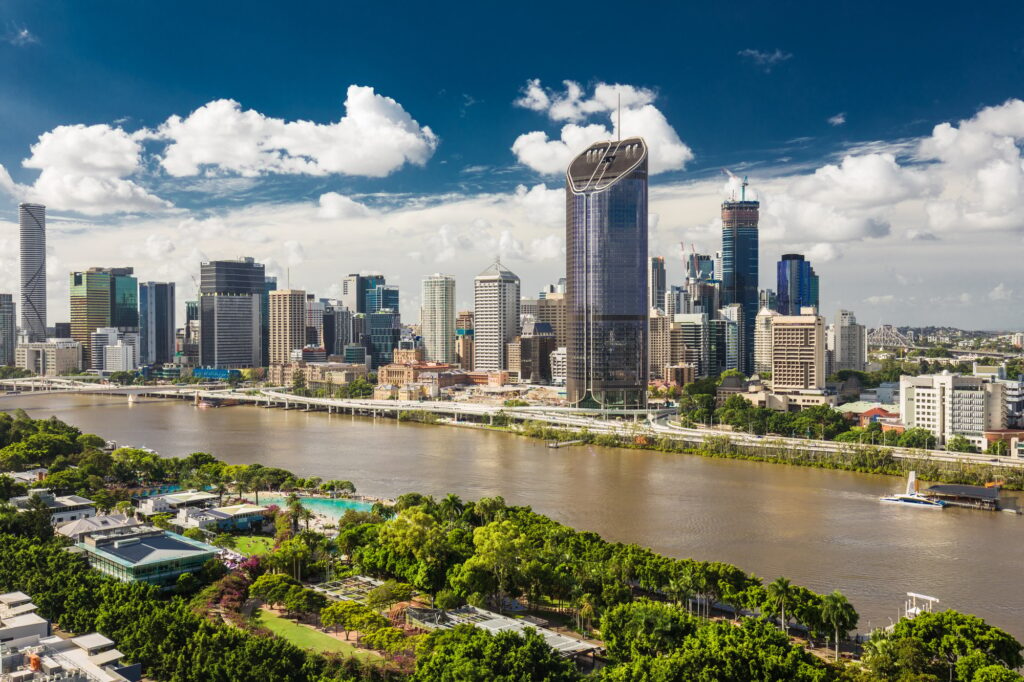
In recent years, the Australian real estate market has experienced price fluctuations, influenced by interest rate adjustments, economic fluctuations, and market demand. For homeowners, choosing the right time to sell a property for the best return isn't solely a matter of market enthusiasm, but rather a comprehensive consideration of many factors. Furthermore, the Hong Kong and Australian real estate markets differ significantly in their systems, transaction patterns, cyclical dynamics, and supply and demand dynamics. Comparing the two markets can provide investors and homeowners with a clearer understanding of the market.
This article will analyze in detail the timing, sales strategies and processes of selling a property in Australia, and compare it with the Hong Kong market, exploring the real estate characteristics and coping strategies of different regions.
Chapter 1: When is the right time to sell your property?
Market factors and personal needs are equally important
Australia's property market is influenced by many factors, including interest rate policies, economic growth, immigration policies, and housing supply. Deciding when to sell your property depends not only on market trends but also on your personal financial situation and lifestyle. For example:
- Cashing out at market peaks: When housing prices have experienced a period of growth, if market demand remains strong, you can consider selling at a high price to maximize your returns.
- Dealing with risks when the economy or policies change: If the market enters a period of adjustment, or rising interest rates reduce buyer affordability, homeowners may need to consider selling early to avoid losing the transaction price due to a weakening market.
- Changes in personal needs: If you need to relocate due to factors such as job transfer, family planning or retirement, you should consider whether the market is conducive to selling.
Australia vs. Hong Kong: Comparing Property Market Cycles and When to Sell a Property
| factor | Australian property market | Hong Kong property market |
|---|---|---|
| Market Cycle | about 7-10 years, price presentation Stable - Rise - Peak - Adjustment Cycle | Large fluctuations, rapid rise and fall, prices are affected by policies and global capital flows |
| Influencing factors | Interest rates, immigration policy, job market, economic growth | Government policies (drastic measures), global capital, supply constraints, and the economic environment |
| Housing Supply | Rich land resources and continuous launch of new projects | Land supply is in short supply, and new developments require government planning and land grants. |
| Peak sales period | The market is more active in spring (September-November) and autumn (March-May). | Policy easing or interest rate cuts Trading volume increased significantly |
| Buyer Type | Local residents, investors, foreign immigrants | Local users, investors, and mainland funds |
As can be seen from the above table,The Australian market is greatly affected by economic cycles and policies, while the Hong Kong market is more dependent on government regulation and global capital flows. Therefore, Hong Kong homeowners need to constantly monitor government policy changes, while Australian sellers need to pay attention to interest rate trends and economic developments.
Chapter 2: Real Estate Cycle and Price Changes
Both the Australian and Hong Kong property markets experience cyclical changes, but they operate differently:
- Australian market:
- The rise in housing prices is closely related to interest rate policies and immigration demand.
- The market cycle is long, and a complete cycle is about 7-10 years.
- The supply is stable and new residential buildings are continuously launched, which makes the market price fluctuations smaller.
- Hong Kong market:
- Land supply is tight and market demand is greatly affected by government policies.
- The volatility is greater than that of Australia, the rise and fall speeds are faster, and there can be significant changes within a year.
- When property prices adjust, they may be affected by the "tough measures" and capital flows, and the decline may be more rapid.
Chapter 3: Selling Methods and Strategies
There are also differences in the property sales models between Australia and Hong Kong, mainly reflected in the sales methods and transaction processes:
| Selling method | Australia | Hongkong |
|---|---|---|
| Auction | Common in Sydney, Melbourne, the competitive atmosphere helps to increase the transaction price | Less commonly used, mainly suitable for high-end properties |
| Private Treaty | Most common, buyers can negotiate prices, more flexible | The second-hand property market is mainly traded through negotiation |
| Expression of Interest (EOI) | Suitable for unique, high-priced properties | Less common, some luxury homes will use |
| Transaction Period | 30-90 days (depending on the contract) | 60-90 days (for new properties, it is determined by the developer) |
While property transactions in Hong Kong are typically facilitated by real estate agents, the Australian market relies more heavily on auctions, particularly in high-demand areas like Sydney and Melbourne. Furthermore, Australian transactions are subject to legal review and a cooling-off period to safeguard the rights of both buyers and sellers. In contrast, the Hong Kong market prioritizes immediate market response, resulting in faster transaction times.
Chapter 4: Preparation before selling the property
Whether in Australia or Hong Kong, the key to successful property sales isProperty attractiveness,include:
- Cleaning and repair: Ensure that the property does not require additional repairs that would affect the buyer's willingness to bid.
- Market Positioning: The Australian market emphasizes quality of life, such as school districts and community facilities, while Hong Kong buyers focus more on transportation convenience and appreciation potential.
- Professional Photography: High-quality photos can increase buyer interest and make online promotions more attractive.
Chapter 5: Transaction and Handover Process
The property handover process in Australia is different from that in Hong Kong. The specific steps are as follows:
- Signing a contract:
- Australia: Buyer must pay Cooling-off deposit (usually 5-10%), you can cancel the transaction during the cooling-off period.
- Hong Kong: Buyer must pay Provisional sales agreement deposit (usually 3-5%), there is generally no cooling-off period.
- Building inspection and loan arrangements:
- Australia: Buyers can arrange a building inspection and bank valuation.
- Hong Kong: There are few independent property inspections, and the market mainly relies on bank valuations.
- Final transaction:
- Australia: Usually requires 30-90 days The transfer is completed, the buyer pays the balance, and the lawyer handles the transfer of ownership.
- Hong Kong: Generally required 60-90 daysThe developer’s new project will be determined by the delivery time of the pre-sale property.
Conclusion: Different markets, different strategies
While the Hong Kong and Australian property markets are both influenced by market cycles and economic factors, differing policies, supply, and buyer characteristics necessitate distinct selling strategies. In Australia, homeowners must monitor economic cycles and interest rate fluctuations to choose the right timing and method for selling. In Hong Kong, sellers must be mindful of government regulations to avoid missing out on market rebounds.
For property owners planning to resell their properties, regardless of their location, assessing the current situation and choosing the right selling strategy will ensure asset appreciation and a satisfactory return.






 Chinese